













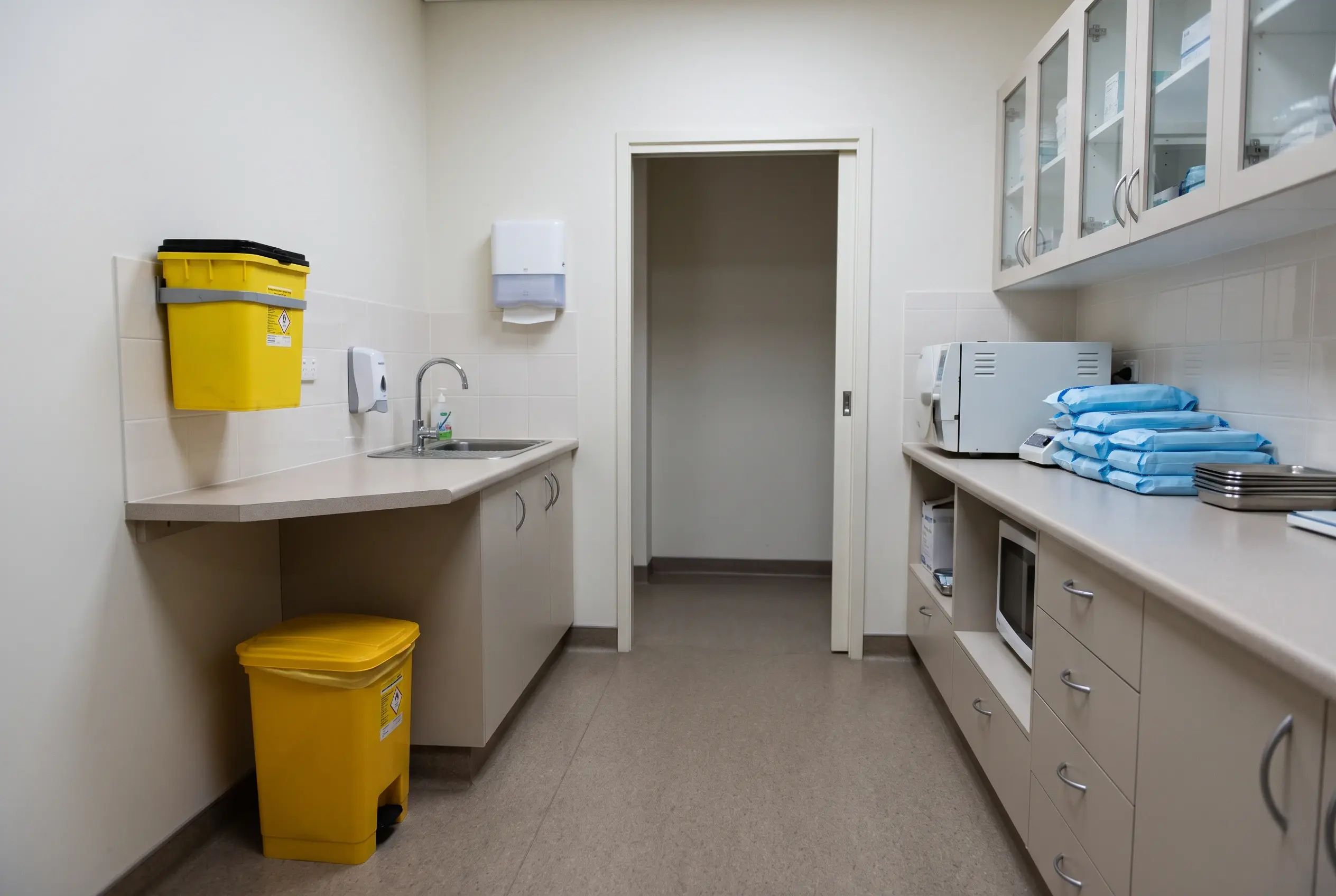
A dental waste review starts with the treatments performed, not a single label for everything leaving the surgery. Needles, contaminated soft items, extracted teeth and materials containing dental chemicals may require different classification, containment and disposal decisions. A change in treatment mix can therefore affect collection needs even when patient numbers stay similar.
A practical review does not need to be complex. It should examine where waste is generated, how staff separate it, how long it is stored and how it leaves the site. This helps practice managers make service decisions based on actual workflows rather than assumptions.
Good segregation also helps prevent contamination of general waste streams. When general rubbish, clinical waste and sharps are mixed, staff may face additional handling and disposal requirements. Clear separation makes waste areas easier to manage and helps staff follow the correct procedures.
Collection frequency should reflect the waste generated by the practice. A small surgery with limited surgical work may need a different arrangement from a larger clinic with several chairs. Seasonal demand, visiting clinicians and extended hours can also affect waste volumes and storage requirements.
Why dental waste planning needs regular review
Cleanpro provides medical waste collection and sharps services for healthcare facilities, including dental practices across the Perth metropolitan area. A review should begin with the waste streams actually generated at each chair and in the sterilisation area. The practice should then confirm which materials are accepted under its selected collection arrangement. Having a suitable receptacle does not, by itself, establish that its contents are accepted for collection.
Review the plan after changes in equipment, treatment mix, chair numbers or collection performance. Set a routine review interval appropriate to the practice, but do not wait for that date when a new procedure creates a different waste stream.
Map the rooms where waste starts
For each surgery, note the procedures performed and the waste categories they generate. A session involving sharps needs an appropriate rigid container at the point of use. A separate route for soft clinical waste may also be needed, depending on the materials generated and the practice's procedures.
The review should include handover points as well as treatment rooms. Waste may move through corridors, utility spaces or storage cupboards before collection. These transfer points need sufficient space, clear identification and arrangements that preserve separation between waste streams.
Match containers to the task
Container choice affects daily handling. Sharps containers should be positioned close enough to the task to reduce unnecessary movement. Clinical waste bags and rigid containers should be appropriate for the type and volume of waste placed inside them.
The sharps collection schedule should reflect the usable capacity and fill limit of the installed containers. Check the manufacturer's instructions for closure and replacement, and arrange changeover before containers reach their fill limit. Never empty a single-use sharps container to extend the collection interval.
Use treatment changes to identify collection gaps
Overflow is a clear warning sign, but other problems can appear earlier. Staff may start storing bags in unsuitable places, moving bins between rooms or holding filled sharps containers longer than intended. These workarounds suggest that the existing arrangement needs review.
When a waste question recurs, record the procedure and item involved rather than simply asking for clearer signage. An uncertain route for extracted teeth requires a different decision from a sharps container that fills sooner than expected. The practice lead needs that distinction to resolve the appropriate classification, acceptance or capacity question.
Overflow and storage pressure
Storage pressure often develops gradually. A cupboard that was suitable last year may become too small after changes in treatment mix or appointment volume. Managers should check whether filled containers have a secure, practical and appropriately designated place to wait for collection.
Storage should preserve the separation established at the point of generation. Keep sealed waste apart from clean instruments, stock and linen, with access restricted in accordance with the practice's procedures and applicable requirements. A crowded storage area is a reason to reassess capacity, not to transfer contents into a more convenient container.
Changes in treatment mix
Treatment changes can affect both waste volume and the rate at which containers fill. More surgical appointments may increase the amount of sharps and blood-contaminated material generated. Emergency sessions may also create short-term increases that the usual collection cycle does not accommodate.
Review sharps container capacity and collection arrangements when chair numbers increase, rosters change or procedures involving greater quantities of sharps become more common. This gives the practice an opportunity to address capacity issues before they become urgent.
Confirm acceptance for each dental waste stream
For every waste stream, record the accepted contents, suitable container, closure method and collection destination. Do not assume that one medical-waste arrangement accepts every material produced by a dental practice.
Cleanpro's medical-bin arrangement excludes anatomical, cytotoxic, pharmaceutical and laparoscopic waste. Confirm the appropriate route for extracted teeth and any other material outside the accepted contents of that arrangement before disposal. Do not place unfamiliar or excluded materials into a standard collection container by default.
Give each chair a treatment-specific disposal instruction
Check the chairside disposal instructions against the work actually performed in that room. If a visiting clinician introduces a procedure, confirm its waste route before adding it to the existing instructions. A familiar bin colour or guidance written for routine examinations does not resolve a new chemical or anatomical waste question.
Regular team feedback can help managers identify small problems early. Dental assistants may know which rooms fill sharps containers fastest, while reception teams may notice when collection access disrupts patient appointments. Include these observations in the review rather than relying only on estimates of overall waste volume.
Discuss unresolved requirements with the collector
Ask the collection provider to confirm container sizes, accepted contents, collection frequency and access arrangements. Retain the response with the practice's waste procedure so staff can refer to the agreed instructions.
Keep chemical and mercury-containing materials separate during the assessment. The WA Health Code of Practice for Clinical and Related Waste Management identifies chemical waste from medical and dental procedures as a related waste category. It also calls for particular attention to chemicals containing significant concentrations of heavy metals, including mercury and mercury amalgam, with the material safety data sheet informing suitable disposal methods.
The Code applies specifically to WA Health personnel and contractors, and more generally to people handling, transporting or disposing of clinical and related waste under the general public health duty. Dental practices should consider its guidance alongside the requirements applicable to their own operations.
Carry unresolved waste decisions into the clinical handover
When an unfamiliar item appears, the dental team needs a named clinical or practice lead who can resolve its classification before disposal. A cleaner or collection driver should not be left to identify an unknown substance from a closed bag.
Use short, task-specific instructions at the point of disposal. Show the accepted route for materials generated in that area and explain what staff should do when an item falls outside those instructions. New starters and visiting clinicians need the same guidance as the regular chairside team.
Record the accepted route before the next treatment session
Identify who is authorised to approve changes to the waste procedure. Brief staff responsible for preparing waste for collection so that confirmed instructions are followed consistently.
The review should also cover collection access. Confirm suitable entry points, parking guidance and contact details with the provider. Clear access arrangements can help reduce disruption when sharps and other accepted waste are collected during patient hours.
Conclusion
The most useful result is a waste-by-waste collection decision based on the treatments the practice actually performs. Confirm sharps capacity and the exact soft clinical-waste contents accepted under the selected service, then establish separate disposal arrangements for anatomical, chemical or other excluded materials. This gives chairside staff clear instructions instead of relying on a general assumption that every type of dental waste follows the same collection route.