












Workplace washroom compliance extends well beyond soap dispensers and hand towels. For Bunbury CBD offices, providing accessible sanitary disposal facilities meets legal obligations. These requirements fall under the Work Health and Safety Act 2020. Proper facilities support workplace inclusion and employee dignity. Many commercial properties overlook this requirement or rely on inadequate solutions. Poor standards compromise hygiene and the overall employee experience.
Professional office environments attract diverse workforces with varying hygiene needs. Providing adequate sanitary disposal facilities demonstrates a clear duty of care. This practice reduces workplace health risks associated with improper waste handling. It also prevents the environmental contamination that occurs when clinical waste enters general waste streams. Maintaining a high standard of facility management is essential for any modern business.
Regional Western Australia presents unique logistical challenges for facility managers. Bunbury offices require reliable service schedules that account for local building access and traffic. Without professional oversight, washroom standards can decline rapidly. This decline impacts staff morale and the professional image of the organisation. Investing in high-quality hygiene infrastructure is a foundational step for workplace safety.
Effective waste management requires a combination of correct hardware and consistent servicing. Modern offices must cater to the needs of all staff members. This includes providing discreet and accessible bins in all-gender washroom facilities. When hygiene is managed correctly, it becomes an invisible but essential part of office life. This allows employees to focus on their primary roles without unnecessary distraction.
Regulatory Compliance Requirements in Western Australia
A high standard of facility management often starts with the SWS Group integrated approach. This model ensures that every aspect of workplace hygiene is managed with professional precision. The Work Health and Safety Act 2020 requires employers to provide suitable facilities. This includes accessible sanitary disposal in female and all-gender washrooms. Failure to meet these obligations exposes organisations to compliance issues.
It can also lead to potential employee complaints during workplace health inspections. Beyond legal requirements, providing sanitary bins supports workplace inclusion policies. Offices with diverse staff demographics require appropriate facilities that respect privacy. This includes employees who menstruate, transgender workers, and visitors. Inadequate provision creates unnecessary workplace stress.
It also signals poor facility management standards to everyone using the building. Maintaining high standards is essential for brand reputation and staff retention. SWS Group addresses these gaps through professional sanitary bin hire for businesses. These services are designed specifically for professional office environments. Operating across regional Western Australia, the company delivers scheduled servicing and hygienic disposal.
Health and Hygiene Considerations
Improperly disposed sanitary waste presents genuine health risks. Blood-borne pathogens can survive on surfaces for extended periods. Without secure disposal facilities, employees may resort to toilet flushing. This often causes plumbing blockages that require emergency maintenance. Some may use general waste bins, which contaminates the office environment.
Professional washroom hygiene services ensure discreet sanitary disposal for all staff. Units are typically sealed and hands-free to prevent direct contact. Regular servicing schedules prevent overflow and odour issues from developing. Clinical waste disposal protocols must also meet strict EPA requirements. Technicians replace used units with fully sanitised alternatives during every visit.
Service Models for Commercial Office Environments
A managed sanitary bin hire service operates on scheduled frequencies. These are matched to office occupancy levels and washroom usage patterns. Facility managers should select programs that suit their specific requirements. Most Bunbury CBD offices require fortnightly or monthly servicing. Facilities with higher staff ratios may benefit from weekly service schedules.
Cleanpro provides flexible service frequencies to suit different needs. Weekly servicing is ideal for high-traffic offices or reception areas. Fortnightly servicing is the standard for medium-sized offices with 20 to 50 employees. Monthly servicing remains appropriate for smaller offices with fewer staff. Consistent schedules ensure that washrooms never experience hygiene lapses.
Professional sanitary bins come in various configurations. Wall-mounted units save floor space in compact washrooms. Freestanding units suit larger facilities or washrooms undergoing renovation. Modern units feature hands-free operation through foot pedals or sensor activation. This eliminates direct contact with potentially contaminated surfaces. Businesses should also consider floor mat rental to prevent dirt from entering clean washroom areas.
The Importance of Professional Clinical Waste Handling
Sanitary waste is classified as clinical waste in Western Australia. This means it requires specialised handling that standard cleaning staff are not trained for. Professional technicians follow strict safety protocols to ensure no cross-contamination occurs. This process protects both the office staff and the service personnel. It also ensures that the waste is disposed of in accordance with environmental regulations.
Using a professional service provides a clear audit trail. This is essential for businesses that undergo regular safety or environmental audits. The documentation proves that clinical waste is being handled by a licensed professional. It also confirms that the waste reaches a designated treatment facility. Without this proof, businesses may face fines or legal challenges during inspections.
Integration with Commercial Cleaning Programs
Sanitary bin services work most effectively when integrated with broader hygiene programs. This approach streamlines vendor management and ensures consistent quality. Coordinated commercial cleaning services often manage various washroom functions simultaneously. This includes soap dispensers, hand drying systems, and air care products.
Consolidated scheduling reduces facility disruption for busy CBD offices. Technicians complete all servicing during single appointments. This integration also allows businesses to review other textile needs. For example, workwear rental programs can be managed alongside hygiene services to improve efficiency. This comprehensive model delivers superior outcomes compared to piecemeal solutions.
Understanding Unit Types and Placement Strategies
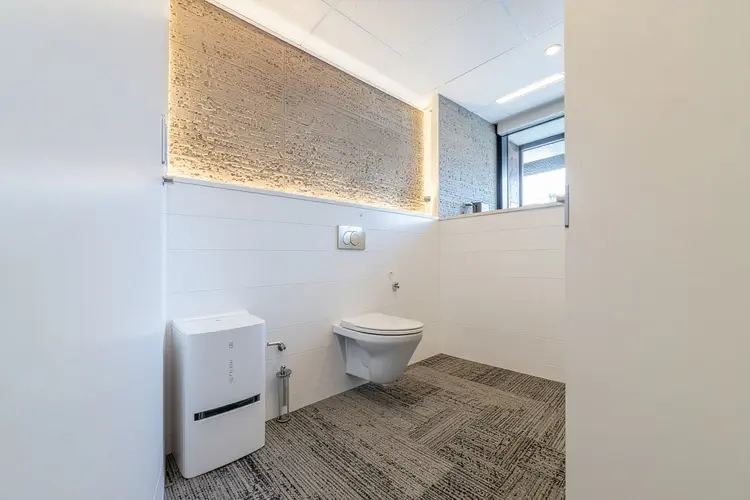
Choosing the right unit type is essential for user comfort. Slimline units are popular in modern CBD offices with limited cubicle space. These units fit comfortably beside the toilet without obstructing the user. High-capacity units are better suited for large corporate headquarters or public-facing facilities. These units can hold a larger volume of waste between service intervals.
Placement strategies must account for accessibility and ease of use. Units should be placed where they are easily reached from the seated position. They should not block doorways or create tripping hazards in common areas. Professional installers will assess each cubicle to find the optimal position. This ensures the facility meets all relevant building codes and safety standards.
Advanced Odour Control and Sanitisation
Odour control is a primary concern for facility managers in Bunbury. Older office buildings often have poor ventilation in washroom areas. Professional sanitary bins use advanced liners and sanitising agents. These agents neutralise odours at the source within the bin. This keeps the washroom smelling fresh even during high-usage periods.
Sanitisation protocols extend to the units themselves. Every unit is thoroughly cleaned and disinfected at a central facility. This is much more effective than simply emptying a bin on-site. The unit exchange model ensures a completely fresh bin is provided every time. This prevents the buildup of bacteria or grime on the exterior of the units.
Impact on Workplace Culture and Employee Wellbeing
A clean and well-equipped washroom has a direct impact on employee morale. It shows that the employer values the health and dignity of their staff. Conversely, neglected washrooms are a common source of employee dissatisfaction. Providing discreet sanitary disposal in washrooms is a simple way to improve the workplace culture. It demonstrates a commitment to modern standards of inclusion and care.
Employees who feel their basic needs are met are more productive. They spend less time worrying about hygiene or seeking out alternative facilities. For businesses in the Bunbury CBD, this is an important part of talent retention. Competition for skilled staff is high in regional Western Australia. Providing a superior workplace environment can be a key differentiator for local employers.
Environmental Responsibility and Waste Reduction
Professional waste management supports corporate social responsibility goals. The company ensures that all sanitary waste is processed responsibly. This prevents hazardous materials from ending up in standard landfills. It also reduces the environmental impact of improper disposal methods. Businesses can report these practices in their annual sustainability reviews.
The use of durable, reusable units also reduces plastic waste. Unlike disposable bins, professional units are designed for years of service. They are sanitised and redeployed hundreds of times. This circular approach to facility management is much more sustainable. It aligns with the growing demand for green business practices in the Bunbury community.
Cost-Efficiency for Multi-Tenant Office Buildings
Facility managers of multi-tenant buildings face unique challenges. They must provide consistent services to a variety of different businesses. Integrated hygiene programs offer significant cost-efficiency in these environments. By using a single provider for all washroom needs, managers can negotiate better rates. They also reduce the administrative burden of managing multiple contracts.
Consolidated invoicing simplifies the accounting process for building owners. It allows for clear tracking of hygiene expenses across the entire property. This is especially useful for buildings with shared washroom facilities. Costs can be easily allocated to different tenants based on their usage or floor space. Professional providers offer the flexibility to scale services up or down as tenants change.
Selecting a Reliable Regional Service Provider
Regional coverage is a critical factor for businesses in Bunbury. Some national providers struggle to maintain consistent schedules in regional areas. A regional sanitary bin hire from a local provider ensures that services are never missed. They understand the specific challenges of the Bunbury CBD, such as parking and building access. Local knowledge leads to a more reliable and efficient service.
Managers should look for providers with a proven track record. This includes experience in the professional services, healthcare, and retail sectors. Client testimonials and case studies can provide valuable insights into service quality. A reliable provider will also offer clear communication channels. They should be responsive to requests for extra services or unit replacements.
Compliance Documentation and Audit Support
Maintaining a safe workplace requires detailed record-keeping. Professional hygiene services provide the necessary documentation for WHS audits. This includes service logs that show the date and time of every visit. It also includes waste disposal certificates from licensed treatment plants. This level of detail is essential for meeting legal obligations under the 2020 Act.
Managers can use this documentation to prove their diligence. In the event of a health inspection, having these records ready saves time. It shows that the business takes its hygiene responsibilities seriously. Professional providers often store these records digitally for easy access. This ensures that facility managers can retrieve them whenever they are needed.
Future Trends in Workplace Hygiene
The hygiene industry is constantly evolving with new technologies. Touch-free units are becoming the standard in modern office buildings. These units use sensors to open and close, reducing touchpoints. This is a significant improvement for infection control in the workplace. Future developments may include smart bins that alert technicians when they are full.
Sustainability will also continue to be a major trend. Providers are looking for new ways to reduce the carbon footprint of waste processing. This includes more efficient transport routes and eco-friendly sanitising agents. Businesses that partner with forward-thinking providers will stay ahead. They will be able to offer their employees the best possible hygiene experience.
Implementation Phases for New Clients
Switching to a professional service is a straightforward process. The first phase involves a detailed facility assessment. A technician will visit the Bunbury office to count the number of cubicles. They will also assess the traffic flow and existing hygiene standards. This information is used to create a tailored service proposal.
The second phase is the installation of the new units. This is typically done outside of business hours to avoid disruption. Technicians will ensure that every unit is securely placed and fully functional. The final phase is the commencement of the regular service schedule. Managers will be provided with a calendar of service dates for the coming year.
Ongoing Performance Monitoring and Support
Regular monitoring ensures that the service continues to meet expectations. Facility managers should check the condition of the units periodically. They should also monitor for any odour issues or overflow situations. Professional providers welcome this feedback and will adjust the service as needed. This collaborative approach leads to the best long-term hygiene outcomes.
Support should be available whenever a problem arises. Whether it is a damaged unit or a missed service, the provider must respond quickly. A dedicated account manager can provide a single point of contact for all hygiene needs. This ensures that issues are resolved efficiently without multiple phone calls. High-quality support is the hallmark of a professional hygiene partnership.
Final Summary of Integrated Hygiene Benefits
An integrated approach to hygiene provides the best value for Bunbury offices. It combines sanitary disposal, linen rental, and general cleaning into one package. This ensures discreet sanitary disposal is essential for all shared washroom facilities. It also simplifies the management process for busy facility professionals. The result is a cleaner, safer, and more productive workplace for everyone.
Investing in professional hygiene is an investment in the business's future. It protects the health of the staff and the reputation of the brand. For offices in the Bunbury CBD, it is a key part of modern facility management. By partnering with an experienced provider, businesses can focus on their core operations. They can rest assured that their hygiene needs are in expert hands.
Conclusion
Sanitary bin services represent essential workplace hygiene infrastructure for Bunbury CBD offices. They are not optional amenities. Professional programs deliver regulatory compliance, health risk mitigation, and workplace inclusion. These outcomes cannot be matched by basic waste management practices.
Professional facility management is a cornerstone of business success in the modern era. Through the Cleanpro division, businesses receive scheduled unit exchanges. This includes clinical waste disposal and full compliance documentation. To maintain high facility standards, businesses should also investigate other integrated solutions. A high standard of workplace care is best achieved through the SWS Group comprehensive service model.
For tailored hygiene solutions, call the team at (08) 9336 6944 to discuss specific requirements. Speak with specialists to arrange a professional facility assessment today. Call (08) 9336 6944 for an obligation-free consultation regarding workplace hygiene needs.