












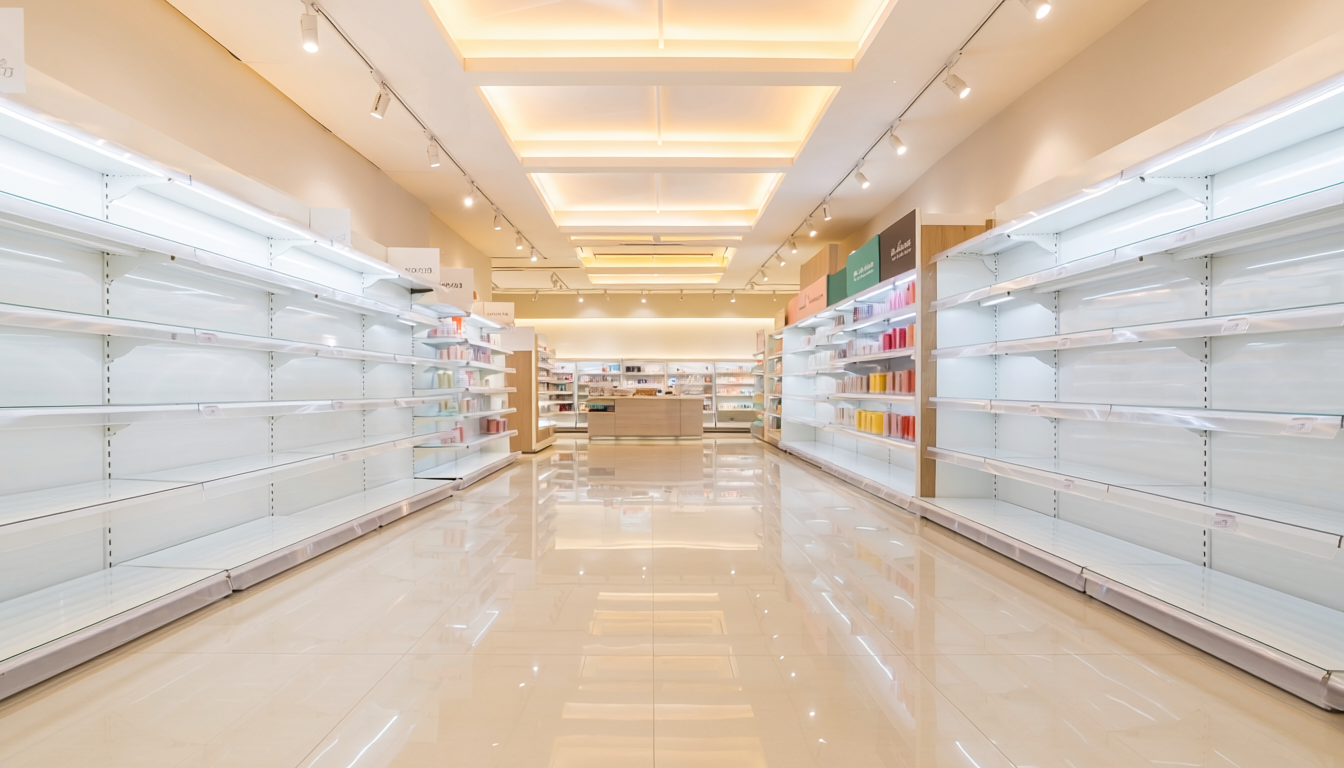
Customers form judgements about retail businesses within seconds of entering. The cleanliness, presentation, and sensory environment of a retail space communicate brand positioning before a product is examined or a staff member is spoken to. Retail cleaning standards are not a facilities management detail - they are a frontline commercial performance variable that influences dwell time, purchase behaviour, and repeat visit decisions in ways that are measurable and significant.
Perth retailers competing in a market where online shopping provides an increasingly frictionless alternative must make the physical store experience actively rewarding. Dirty floors, poorly maintained amenity areas, and visibly unclean customer touchpoints create friction that drives customers toward channels where they do not have to encounter these shortcomings. Sustaining the competitive advantage of the physical retail environment requires treating cleanliness as a commercial priority, not a cost to minimise.
Through Cleanpro, Perth retail businesses access commercial retail cleaning in Perth programs designed around the specific operational requirements of retail environments - delivering consistent cleaning standards that support the customer experience, protect brand perception, and satisfy the hygiene compliance obligations that apply to retail premises. For shopping centre and mixed-use property operators managing retail alongside hospitality and accommodation industry solutions, coordinated cleaning programs across all tenancy types deliver a consistent facility standard throughout the entire property.
Why Retail Cleaning Is a Commercial Performance Issue
The relationship between retail cleaning standards and commercial performance is well-documented in consumer research conducted across Australian and international retail markets. Customers consistently rate cleanliness as one of the top factors influencing their assessment of a retail store - ranking alongside product range, pricing, and customer service in satisfaction surveys. Low cleanliness ratings correlate with reduced dwell time, lower spend per visit, and significantly reduced likelihood of repeat visitation.
In food retail and fresh produce environments, cleanliness perceptions directly influence food safety trust - a commercial asset that is difficult to rebuild once damaged by visible hygiene failures. A grocery retailer with visibly dirty floor surfaces in fresh produce aisles, inadequately maintained refrigerated displays, or poorly kept checkout areas communicates a food safety standard that drives customers to competitors regardless of competitive pricing or product range. The cleanliness signal in food retail is a trust signal that operates at a level most customers cannot explicitly articulate but consistently act upon.
Retail staff experience similar effects. Employees working in poorly maintained environments report lower job satisfaction and higher turnover intentions than those in clean, well-maintained workplaces. In an industry where staff turnover is a persistent operational challenge, retail cleaning standards contribute to the staff retention outcomes that businesses invest significantly to improve through other means. The physical environment is a retention factor that management teams often overlook when diagnosing turnover problems.
The reputational consequences of visible retail cleanliness failures now extend directly into the digital channels that influence customer acquisition. Customer photographs of dirty retail environments circulate rapidly on review platforms and social media channels - creating negative brand exposure that is disproportionate to the individual cleaning failure that triggered it. A single viral image of a contaminated shelf, a dirty fitting room, or a poorly maintained washroom can generate media coverage and review platform responses that cost the business far more to manage than a comprehensive cleaning program would have cost across years of operation.
What Retail Cleaning Standards Require
Commercial retail cleaning in Perth encompasses a broader range of cleaning activities than many retail operators initially consider when developing their facility management programs. The full scope of a compliant retail cleaning program addresses daily maintenance, periodic deep cleaning, amenity facility management, and the zone-specific requirements of specialist retail environments.
Daily Cleaning and High-Frequency Maintenance
Retail cleaning standards for day-to-day operations require floor cleaning across all retail floor areas at frequencies appropriate to foot traffic volumes, customer amenity facility cleaning and restocking throughout trading hours, hard surface cleaning of shelving, display units, and product presentation surfaces, and removal of contamination from high-touch customer touchpoints including door handles, payment terminals, service counters, and trolley and basket handles. For businesses where staff presentation is part of the brand standard, workwear rental programs ensure that customer-facing uniforms are laundered to a consistent professional standard - complementing the cleaning program's maintenance of the physical environment.
Floor cleaning frequency in high-traffic retail environments must match the rate of contamination introduction rather than simply following a schedule set for lower-traffic conditions. A cleaning schedule designed for weekday trading volumes that is not adjusted for weekend and public holiday peaks leaves the store floor in deteriorating condition during the busiest trading periods - precisely when the customer experience assessment is most commercially consequential.
Payment terminal hygiene has become a heightened expectation in Perth retail since 2020. Customers observe terminal cleaning as a visible hygiene signal during transactions. Regular cleaning of EFTPOS terminals, counter surfaces, and shared touchpoints at checkout positions is now part of the baseline retail cleaning standard that customer expectations require regardless of whether the specific cleaning action is mandated by regulation.
Periodic Deep Cleaning
Retail cleaning standards include periodic deep cleaning activities that routine daily programs cannot address within standard service windows. Grout cleaning in food retail and fresh produce environments, floor stripping and resealing in hard floor retail spaces, deep cleaning of refrigerated display units and cold room entries, periodic high-surface and ceiling cleaning, and specialist cleaning of feature display areas and promotional fixtures all require planned maintenance activities scheduled outside trading hours.
Retail hygiene compliance for food retailers under FSANZ requirements includes cleaning obligations for refrigerated display equipment, food preparation areas within retail premises, and waste management facilities. These obligations carry the same documentation requirements as stand-alone food businesses - and retail operators with food components cannot assume that standard retail cleaning programs address their food safety cleaning obligations without specific inclusion of these areas in the cleaning program scope. Food retail staff in deli, bakery, and fresh food areas also require appropriate linen rental services for aprons, service cloths, and handling garments that are laundered to food safety standards between uses.
High-Traffic Zone Management and Entry Point Presentation
Retail entrance zones, checkout areas, service counters, and amenity facilities generate disproportionate contamination relative to their floor area. These zones require cleaning frequencies calibrated to their actual contamination load rather than the average frequency applied across the broader retail floor.
Entrance zones accumulate external contamination from customer footwear at a rate that scales directly with foot traffic volume. During peak trading periods in busy Perth retail environments, entrance zone contamination can reach levels that create slip hazards and visible presentation failures within hours of cleaning. The entrance is the first physical touchpoint of the customer's visit - its condition sets the initial perception that shapes the entire store experience assessment.
Floor mat rental programs at retail entrance points capture contamination from customer footwear before it spreads across the retail floor - reducing the cleaning frequency required in the interior space, extending floor surface condition between cleans, and maintaining the entrance presentation standard that first-impression management requires. Managed entrance matting through a rental program ensures that mats are serviced and replaced on a schedule that maintains contamination capture performance throughout their deployment - a saturated or worn mat at a retail entry point is a presentation failure that negates the investment in the mat program.
Checkout zones require particular attention to hygiene management given the volume of customer contact and the product handling that occurs at these positions throughout the trading day. Belt surfaces, counter tops, terminal equipment, and divider handles all accumulate contamination from multiple customers across every hour of trading. Checkout hygiene is a visible management signal that customers interpret as evidence of the store's overall hygiene standard.
Fitting Room and Amenity Hygiene
Customer amenity areas - fitting rooms, parent rooms, and customer washrooms - carry significantly higher hygiene expectations than general retail floor areas because of their direct personal contact nature. Customers who experience poorly maintained fitting rooms or customer washrooms assign those experiences directly to their overall brand assessment of the retail business, and these experiences have strong emotional valence that general floor cleanliness does not generate to the same degree.
Fitting room cleaning must address floor surfaces, seating, hooks and hardware, mirrors, and the regular removal of items left by previous customers. Fitting rooms with accumulated litter, stained seating, dirty mirrors, or non-functional lighting create customer discomfort that directly influences whether the customer completes a purchase or leaves the store without buying. The fitting room is the highest-stakes decision environment in a clothing retailer - its condition materially affects conversion rates.
Customer-facing facility presentation in washrooms requires the same standard of maintenance that customer-facing retail floor areas receive. Clean, well-stocked washrooms with functional amenity facilities are a component of the retail visit experience that most customers will not consciously note when well-managed - but will definitely notice, remember, and share when poorly maintained.
Washroom hygiene solutions from Cleanpro maintain customer washroom facilities in retail environments to the hygiene and presentation standard that customer expectations require - covering cleaning schedules, hygiene product restocking, bin servicing, and air freshener management within a single coordinated washroom service program.
Food Retail and Supermarket Hygiene Requirements
Food retailers - supermarkets, grocery stores, specialty food retailers, and retail businesses with in-store food preparation - face hygiene compliance obligations that extend beyond the standard retail cleaning framework.
FSANZ Standard 3.2.3 requires food retail premises to be constructed and maintained to a standard that enables effective cleaning and pest control. Fresh produce areas, deli counters, seafood sections, and bakery preparation areas each carry specific hygiene management requirements relating to surface materials, drainage, cleaning frequencies, and temperature control. Non-compliance with these requirements during food safety inspections can result in improvement notices, temporary closure orders, and published inspection outcomes that damage consumer confidence.
Cold room and refrigerated display unit cleaning is a food safety compliance obligation that many food retailers manage inadequately. Condensate drainage, door seal hygiene, and interior surface cleaning in refrigerated displays create conditions for Listeria growth if maintenance is deferred. A managed cleaning program that includes refrigerated display deep cleaning on defined schedules addresses this compliance gap with documented service records that verify the maintenance activity was completed.
For businesses seeking food processing solutions that encompass both retail food safety cleaning and supply chain hygiene management, integrated programs through a single provider create consistent documentation standards and coordinated service scheduling that separately managed cleaning programs cannot achieve.
After-Hours Cleaning and Operational Scheduling
Retail cleaning programs are most effective when structured to minimise disruption to trading operations while ensuring that the most thorough cleaning activities are completed during the access windows that after-hours scheduling provides.
After-hours cleaning of retail floor areas, fitting rooms, back-of-house spaces, and food preparation areas allows comprehensive cleaning without the operational constraints of customer presence and staff movement that limit in-hours cleaning effectiveness. Floor stripping and resealing, equipment deep cleaning, and high-surface maintenance are activities that can only be completed thoroughly when the store is unoccupied.
SWS Group schedules commercial retail cleaning in Perth programs to minimise operational disruption - conducting intensive floor and surface cleaning outside trading hours while maintaining appropriate in-hours service coverage for washroom maintenance, spill response, and high-traffic zone management during trading periods. For multi-site retail operators, coordinated scheduling across all locations creates consistent cleaning outcomes without requiring individual site management teams to oversee cleaning operations independently at each location.
Integrated Retail Hygiene Management
Retail cleaning standards are most effectively maintained through an integrated approach that combines floor cleaning, amenity management, entrance matting, washroom hygiene, and workwear management under a single coordinated program rather than managing each element through separate providers with different service standards and documentation approaches.
Commercial cleaning services from Cleanpro address the full scope of retail cleaning requirements - floor maintenance, surface cleaning, amenity management, and scheduled deep cleaning activities - within a managed service relationship that provides consistent quality, documented service records, and a single point of accountability for retail cleaning outcomes.
For retail businesses with customer-facing staff whose workwear presentation contributes to the overall brand environment, SWS Group provides staff workwear management through Cleantex alongside cleaning services through Cleanpro - ensuring that staff presentation and facility presentation are both managed to a consistent, professional standard through a single provider relationship.
Conclusion
Retail cleaning standards directly influence customer experience, brand perception, staff satisfaction, and commercial performance for Perth retailers. Cleanpro delivers managed retail cleaning programs that maintain consistent standards across all customer-facing areas and touchpoints.
To discuss a retail cleaning program for a Perth store or retail portfolio, call (08) 9336 6944 for an obligation-free consultation. To request an obligation-free quote, contact the Cleanpro team to outline specific retail cleaning requirements.