













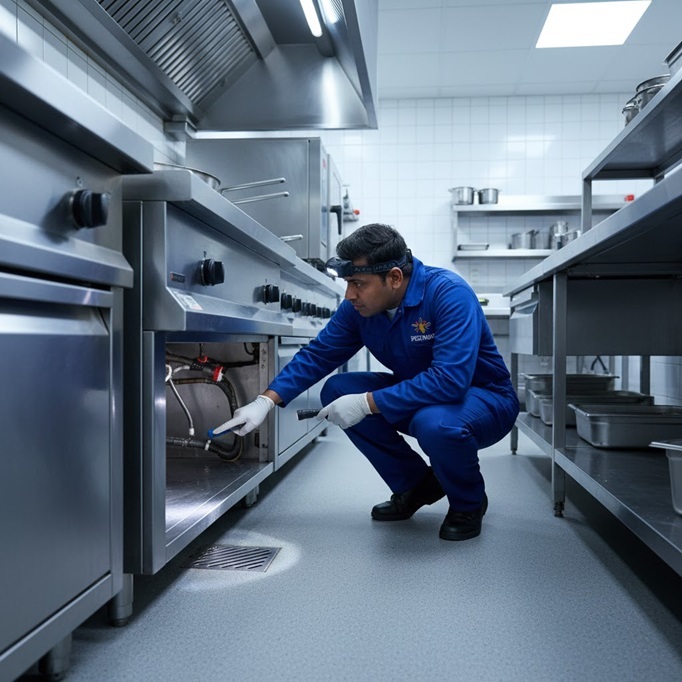
Restaurant owners across Perth regularly question pest control expenses without fully considering the true cost of inadequate protection. A single health department violation can result in fines exceeding annual pest management investments. Customer reviews mentioning pest sightings can devastate years of reputation building and eliminate repeat business overnight in Western Australia's competitive hospitality market.
Pest control represents an investment in business continuity rather than merely an operational expense. Effective programmes prevent contamination incidents, protect food safety compliance, and maintain customer confidence that drives profitability. Understanding pricing factors helps Perth operators make informed decisions about protecting their establishments against the unique pest challenges of the region.
Professional pest management costs vary significantly based on facility characteristics and service requirements. Western Australia's warm climate creates year-round pest pressure that differs from seasonal patterns in cooler Australian states. Perth restaurants face sustained pest activity throughout twelve months, demanding consistent professional management rather than periodic interventions.
SWS Group provides transparent pricing through its Pestpro division, helping Perth restaurant operators understand what drives costs and where value lies. The company works with hospitality venues across Western Australia to deliver effective pest management that protects both customers and business viability.
Factors That Influence Restaurant Pest Control Pricing In Perth
Facility size directly impacts service costs through the resources required for thorough coverage. Larger restaurants require more monitoring devices, longer inspection times, and additional treatment applications to protect all areas adequately. A 100-square-metre café needs fewer resources than a 500-square-metre dining establishment with multiple preparation areas, storage zones, and customer spaces.
Perth venues with complex layouts face higher service costs due to the additional time required for comprehensive coverage. Multi-level restaurants, outdoor dining areas, and separate bar sections all require individual attention. Kitchen configurations with multiple preparation zones demand extra monitoring points. Professional providers price services based on actual facility complexity rather than simple square metreage calculations.
Pest pressure levels significantly affect pricing structures and service intensity. Restaurants experiencing active infestations require intensive initial treatments followed by enhanced monitoring to ensure complete elimination. Facilities with minimal pest activity benefit from standard preventative programmes that cost less than remedial services. Location influences pest pressure considerably across Perth suburbs.
Establishments near waterways face elevated rodent risks from proximity to rat harbourage areas. Venues located near waste management facilities or food distribution centres often experience higher pest pressure from surrounding activities. Restaurants in older Perth buildings may inherit structural vulnerabilities that increase ongoing management costs. Professional providers assess these location-specific factors when developing pricing proposals.
Service frequency determines monthly investment levels and reflects actual risk profiles. High-risk venues like seafood restaurants handling fresh ingredients may need weekly inspections to maintain appropriate vigilance. Standard dining establishments typically require fortnightly or monthly service depending on their specific circumstances. Providers should tailor frequency recommendations to actual facility needs rather than applying one-size-fits-all approaches that either over-service or under-protect venues.
Perth's Mediterranean climate influences service frequency recommendations significantly. The extended warm seasons support continuous pest breeding that demands consistent monitoring. Unlike colder climates where winter reduces pest activity, Western Australian restaurants require year-round vigilance. This sustained service requirement affects annual costs but proves essential for maintaining protection throughout all seasons.
Monthly Service Contracts Vs One-Off Treatments
Ongoing contracts provide superior value compared to reactive treatments purchased as problems arise. Monthly programmes include regular inspections that detect issues at early stages when interventions remain simple and inexpensive. Technicians identify conditions attracting pests before populations establish, allowing corrective actions that prevent the expensive emergency treatments reactive strategies require.
Perth restaurants benefit from contract arrangements that account for seasonal pest activity patterns specific to Western Australia. Spring and summer periods bring increased flying insect activity. Autumn sees rodents seeking indoor shelter as temperatures moderate. Professional contracts maintain consistent protection whilst adjusting approaches to match these seasonal patterns.
Restaurant pest control costs under contract arrangements typically include emergency response provisions that reactive clients pay premium rates to access. When unexpected issues arise despite preventative measures, contracted clients receive priority scheduling. Many providers offer emergency callouts at no additional charge for contract customers. One-off treatment clients typically pay substantial premiums for urgent service that disrupts normal scheduling.
Predictable monthly fees simplify budget planning for Perth hospitality operators managing tight profit margins. Restaurant owners know exactly what pest management costs each month without surprise invoices. Contract pricing often includes seasonal adjustments built into base rates, higher summer activity periods don't trigger unexpected charges. This consistency helps venues manage cash flow more effectively whilst ensuring continuous protection.
Professional contracts provide documentation continuity that proves invaluable during health inspections and regulatory audits. Consistent service records demonstrate systematic pest management rather than reactive responses to visible problems. Perth health inspectors favourably assess restaurants maintaining documented preventative programmes compared to venues purchasing treatments only when issues become apparent.
Hidden Costs Of Inadequate Pest Management
Health department violations carry substantial financial penalties under Western Australian regulations. Local councils can issue infringement notices ranging from hundreds to thousands of dollars depending on violation severity. Serious violations may trigger temporary closures until facilities demonstrate corrective actions and compliance restoration. Lost revenue during closure periods often exceeds years of professional pest management investment.
Perth's Environmental Health Services conduct regular inspections of food premises under the Food Act 2008. Pest evidence discovered during inspections creates non-compliance findings that require immediate attention. Repeated violations can result in prosecution, with courts imposing significant fines. The reputational damage from public health violation records proves even more costly than financial penalties.
Reputation damage inflicts long-term financial harm that far exceeds immediate violation costs. Online reviews mentioning cockroaches, rodents, or flies discourage potential customers permanently. Perth's hospitality market proves highly competitive, with numerous dining options available. A single viral negative review about pest sightings can eliminate customer traffic for months or permanently damage venue viability.
Social media amplifies reputation damage exponentially compared to traditional word-of-mouth. Customers photographing pests and sharing images across platforms reach thousands within hours. These images remain accessible indefinitely through internet searches, creating lasting damage. Many Perth establishments never fully recover from viral negative reviews featuring pest evidence, despite subsequent remediation efforts.
Food contamination creates immediate losses beyond the direct value of discarded products. Restaurants must discard compromised ingredients and prepared items, eliminating both material costs and labour invested in preparation. Stored product insects can contaminate entire inventory shipments worth thousands of dollars. These direct losses compound when considering preparation time wasted and disappointed customers turned away due to menu item unavailability.
Supply chain disruptions occur when pest issues force temporary closures or menu restrictions. Perth restaurants maintaining just-in-time inventory systems face particular vulnerability. Perishable ingredients ordered for weekend service become losses if pest issues force Friday closures. The inability to fulfill reservations and bookings creates customer service failures that drive patrons to competitors permanently.
Insurance implications following pest incidents often receive inadequate consideration when assessing true costs. Commercial policies may exclude coverage for losses resulting from pest infestations if venues cannot demonstrate adequate preventative measures. Premium increases follow pest-related claims as insurers reassess risk profiles. Some insurers refuse coverage renewal after serious pest incidents, forcing venues into higher-cost insurance markets.
What Professional Pest Control Services Include
Initial assessments establish baseline conditions and identify immediate concerns requiring attention. Technicians inspect all areas including kitchens, storage rooms, dining spaces, bar areas, and exterior perimeters. They document existing pest activity, potential entry points, and conditions supporting infestations. This comprehensive assessment informs treatment recommendations and realistic pricing based on actual facility needs.
Perth providers familiar with local pest species understand what evidence indicates active problems versus historic activity. Skilled technicians distinguish between isolated incidents and established infestations requiring different intervention levels. This expertise ensures appropriate service intensity without unnecessary treatments that inflate costs without delivering proportional benefits.
Treatment protocols combine multiple approaches for comprehensive protection appropriate to food service environments. Technicians install monitoring stations in strategic locations throughout venues. They apply targeted treatments to harbourage areas using products safe for food service applications. Exclusion work seals entry points and eliminates pest access routes. All interventions comply with regulations governing pesticide use in food premises.
Modern integrated pest management prioritises non-chemical approaches wherever possible. Mechanical traps, sanitation improvements, and structural repairs often prove more effective than chemical applications alone. Professional providers design treatment programmes emphasising long-term prevention rather than repeated chemical interventions that create ongoing costs without addressing underlying causes.
Documentation proves compliance during health inspections and demonstrates systematic management to regulatory authorities. Professional providers maintain detailed service records including inspection findings, treatments applied, products used, and pest activity trends over time. Digital platforms often provide real-time access to this compliance documentation, allowing Perth restaurant operators to produce records immediately when inspectors request them.
Photographic documentation captures conditions before and after treatments, providing visual evidence that supports written reports. Trend graphs reveal whether pest activity increases, decreases, or remains stable over extended periods. This analytical approach helps restaurants understand programme effectiveness and make informed decisions about service adjustments.
Preventative Programs Deliver Better Value
Proactive monitoring detects problems at early stages when treatment costs remain minimal. Regular inspections catch single rodent intrusions before breeding occurs and populations explode. Early intervention prevents the population growth that requires extensive, and expensive, eradication efforts involving multiple treatments and extended monitoring periods.
Perth restaurants investing in preventative programmes avoid the crisis management costs associated with reactive approaches. Emergency treatments purchased during active infestations typically cost several times more than routine service fees. The intensive labour, multiple site visits, and specialised treatments required for established infestations substantially exceed preventative programme investments.
Integrated approaches address underlying conditions attracting pests rather than treating symptoms alone. Technicians identify sanitation issues, structural defects, and operational practices contributing to pest problems. Correcting these root causes delivers lasting protection that chemical treatments alone cannot achieve. The comprehensive guidance provided through preventative programmes helps Perth venues maintain standards that discourage pest activity continuously.
Professional programmes suit venues across the food and beverage industry in Perth, where hygiene standards directly impact customer safety and business viability. Restaurants, cafés, pubs, and catering operations all benefit from systematic pest management that prevents rather than reacts to problems.
Compliance documentation included in preventative service packages delivers value beyond pest control itself. The systematic records satisfy health inspection requirements whilst demonstrating due diligence that protects venues during complaints or incidents. This documentation proves particularly valuable for Perth restaurants pursuing quality certifications or managing franchise compliance requirements.
Supporting Hygiene Services For Complete Protection
Comprehensive facility hygiene extends beyond pest control to encompass all factors influencing cleanliness and contamination prevention. Kitchen staff uniforms represent potential contamination vectors if not properly managed through professional laundering systems. Food service employees require regular uniform changes to prevent cross-contamination between different work areas and maintain professional appearance.
Professional workwear rental programmes designed for Perth hospitality ensure uniforms receive commercial laundering that eliminates grease, food residues, and potential contaminants. This thorough cleaning prevents staff from inadvertently introducing pest attractants through soiled clothing. Regular uniform replacement maintains professional appearance whilst supporting hygiene objectives that complement pest management efforts.
Clean, well-maintained uniforms signal overall facility standards to customers and health inspectors. Conversely, stained or worn workwear suggests inadequate hygiene practices that may extend to food handling and facility maintenance. Investment in professional uniform management supports pest prevention whilst projecting quality standards that enhance customer confidence.
Floor surfaces throughout restaurants require specialised attention to prevent pest harbourage whilst supporting sanitation efforts. Kitchen areas accumulate grease and organic matter that attracts pests if not properly managed. Entrance areas track in soil and moisture that can create pest-friendly conditions. Strategic floor mat rental programmes capture contaminants before they spread throughout venues.
Quality entrance matting reduces dirt and moisture tracked into dining areas, supporting cleaner environments that discourage pest activity. Anti-fatigue matting in kitchen areas provides ergonomic benefits for staff whilst being designed for easy cleaning that prevents organic accumulation. Grease-absorbent mats in cooking areas capture spills before they create slip hazards and pest attractants.
Regular mat service ensures these hygiene tools don't become contamination sources themselves. Professional cleaning removes accumulated soil and organic matter that might otherwise support pest activity. Timely replacement maintains mat effectiveness and supports overall facility hygiene standards that complement pest management investments.
Commercial linen rental services for table settings and kitchen textiles ensure proper laundering that meets food service hygiene standards. Professional laundering eliminates contaminants whilst maintaining fabric quality. This comprehensive approach to facility hygiene creates an environment that naturally discourages pest activity through consistent cleanliness.
Integration of cleaning, uniform management, floor mat programmes, and pest control under coordinated service delivery creates synergies that improve overall outcomes. Perth restaurants working with integrated hygiene providers benefit from coordinated scheduling, consistent quality standards, and unified accountability across all hygiene services. This consolidation often delivers cost savings compared to managing multiple separate vendor relationships.
Comparing Pest Control Providers In Perth
Service quality varies significantly across commercial pest management pricing structures in Western Australia. Low-cost providers often employ inexperienced technicians using basic treatment methods that fail to address underlying causes. They may skip thorough inspections or provide minimal documentation that offers no compliance value. These apparent savings prove illusory when inadequate service fails to prevent pest problems.
Premium providers invest substantially in staff training, advanced monitoring technology, and comprehensive reporting systems that deliver real value. Technicians understand food service pest challenges specific to Perth's climate and hospitality industry. They provide actionable recommendations beyond basic treatments. The documentation quality satisfies regulatory requirements whilst supporting operational improvements.
Industry-specific expertise justifies price differences between providers. Technicians experienced in Perth restaurant environments understand food safety requirements, health department expectations, and hospitality operations. They work efficiently around service schedules without disrupting customer experiences. Professional communication with staff and discrete service delivery protect venue reputations whilst maintaining protection.
Generic pest control providers lacking hospitality experience may use approaches inappropriate for food service venues. Treatment products suitable for warehouses or offices may violate food premises regulations. Application timing that works for retail shops disrupts restaurant operations. Perth venues require providers who understand hospitality-specific requirements and design services accordingly.
Response time commitments differentiate professional providers from budget services. Reputable companies guarantee maximum response times for emergency calls and maintain adequate staff levels to honour these commitments. Budget providers may leave Perth restaurants waiting days for urgent service whilst pest issues escalate. During busy hospitality periods, these delays prove catastrophic for business operations and customer satisfaction.
After-hours availability proves essential for Perth restaurants operating evening services when pest issues often become apparent. Professional providers offer genuine 24-hour response capabilities rather than answering services that schedule callbacks during business hours. This immediate support proves invaluable when pest sightings occur during service periods and require immediate professional response.
Documentation standards separate professional providers from basic services unsuitable for regulated food premises. Comprehensive digital reporting provides instant access to service histories during health inspections. Trend analysis reveals programme effectiveness over extended periods. Professional providers understand documentation requirements and deliver records that satisfy the most demanding regulatory scrutiny.
Conclusion
Restaurant pest control costs represent genuine value when viewed as protection against violations, reputation damage, and contamination incidents that threaten business viability. Preventative programmes with professional providers deliver superior outcomes compared to reactive approaches that purchase treatments only after problems become visible. Transparent pricing, documented service, and industry expertise ensure investments protect both customers and business sustainability.
Perth's climate creates year-round pest pressure that demands professional management throughout all seasons. Supporting hygiene services including workwear rental, floor mat programmes, and linen services complement pest control efforts whilst addressing broader facility hygiene requirements. Integrated service delivery simplifies vendor management whilst ensuring comprehensive protection.
Western Australian restaurants cannot afford inadequate pest management given serious consequences of programme failures. The investment in professional preventative services delivers returns through maintained health compliance, protected reputation, and uninterrupted operations. Perth hospitality operators should evaluate pest control as essential business protection rather than discretionary expense.
For customised preventative pest control programmes designed for Perth restaurants, contact SWS Group to discuss specific venue requirements and local challenges. Call (08) 9336 6944 for detailed pricing information and obligation-free consultation with hospitality pest management specialists.