













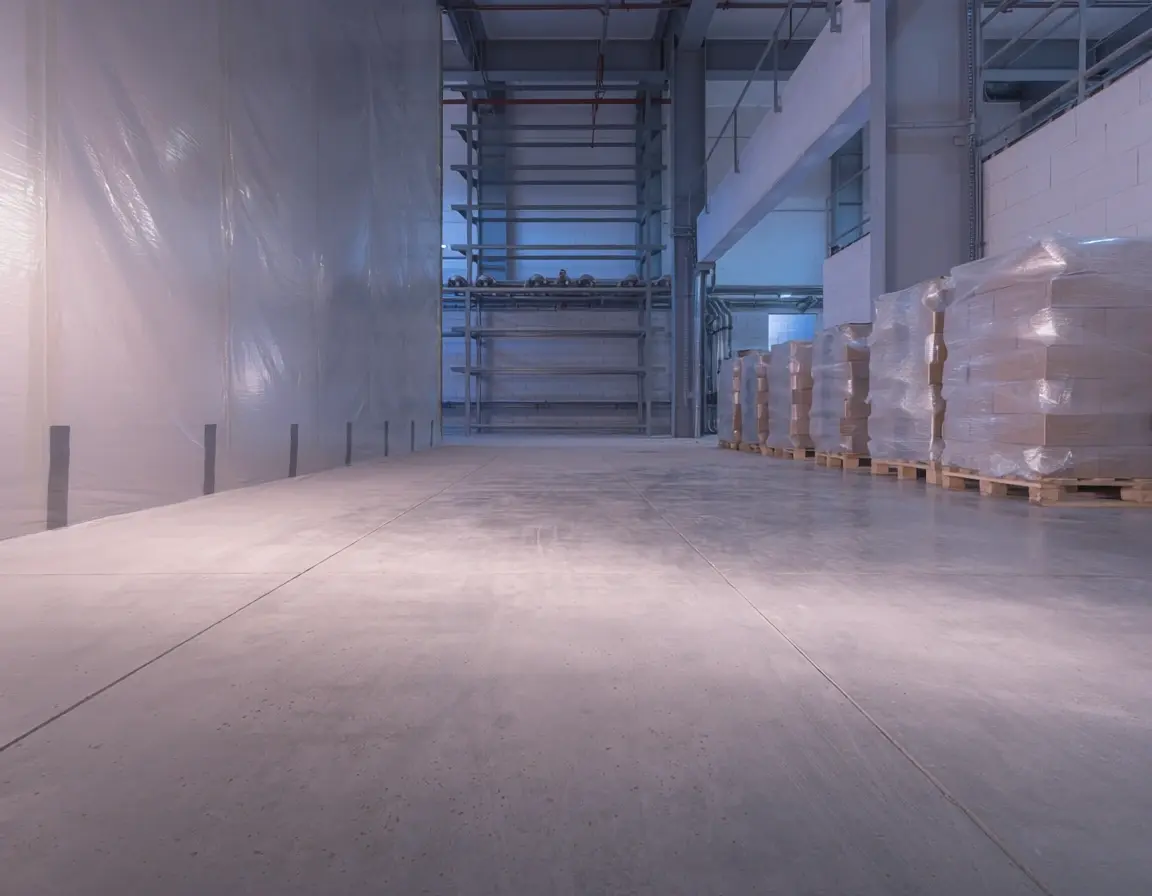
A post-project clean works best as a planned handover sequence, not as a last-minute request made after the trades leave. Drilling dust may sit beyond the work bay, packaging may block a route, temporary protection may still cover a finished surface and several people may assume somebody else owns the leftovers. If those loose ends are discovered only when cleaning starts, the crew loses time and the facility cannot confidently release each area for its next use.
The practical answer is to move each zone through visible stages: pre-clean release, trade-leftover removal, cleaning in a sensible order, inspection and closure of exceptions. The sequence gives project leads, facility managers and cleaners a common view of what is ready and what is not. For industrial cleaning after project work, that shared sequence is more useful than a broad instruction to clean everything at the end.
Set the handover map before the final trade shift
Mark the project footprint before people and temporary barriers disappear. Include the main work bay, adjoining floor edges, routes used for deliveries, material laydown points, doorways and any amenities affected by project traffic. A small job can still spread dust or tracked soil into a much larger path, so the map should follow actual movement rather than the original barricade alone.
Give every mapped area a simple zone name that can be used in conversations, inspection notes and photographs. Also mark items that remain under project control, such as recently coated surfaces, open equipment, contractor tools or components awaiting commissioning. This creates one practical reference for the rest of the handover and prevents vague directions such as ‘the area near the new line’.
Run a pre-clean release walk
Walk the first zone with the project representative and facility contact while the relevant trades are still available. Confirm that cutting, drilling, testing and material movement have ended there. Check that temporary services are no longer creating soil and that cleaners will not be asked to work around active tasks that immediately undo completed work.
Use the walk to confirm keys, escorts, work windows, approved methods for identified surfaces and the route by which cleaning equipment will enter. If an enabling item is missing, keep the zone at pre-clean status and record exactly what will release it. A short delay at this point is easier to manage than stopping a crew after equipment has been set up.
- Confirm that cutting, drilling, testing and material movement have ended in the zone.
- Remove trade-owned materials and identify the waste included in the cleaning brief.
- Release keys, escorts, access routes and the agreed working window.
- Clean in the approved zone order and keep completed areas clear of avoidable traffic.
- Inspect the zone, record exceptions and release it for its next use.
Return trade leftovers to their owners
Cable offcuts, unused fixings, pallets, surplus materials, protective films, empty product containers and trade equipment should be dealt with before surface cleaning begins. Name the party responsible for each remaining group of items. Do not leave cleaners to decide whether an unfamiliar component is waste or whether a temporary cover is ready to be removed.
A useful release test is whether the zone now contains only installed assets, facility property and waste specifically included in the cleaning brief. If a trade needs to return, move its materials to a controlled location outside the released path where possible. This keeps ownership clear and protects completed areas from another round of unpacking, cutting or transport.
Release zones in an order that supports the site
Choose the order around the next operational need. A commissioning route, access corridor or room needed by another team may take priority over an isolated back area. Within each zone, work from upper ledges and fittings toward lower surfaces, then toward the planned exit, so dislodged material does not settle on work already completed.
Close completed zones to unnecessary traffic where the facility can do so. If re-entry is required, note who entered, why and whether another inspection is needed. Cleaning equipment should also move without crossing accepted areas in a dirty condition. A planned tool-change or equipment-cleaning point helps preserve the sequence when several zones share one access route.
Make access readiness visible
Access is a handover task in its own right. Confirm locked-room entry, escorts, permits, any agreed access for high or restricted areas, and the times when moving plant or production activity limits the route. Provide enough working space around the included surfaces. Stock pushed against walls and parked equipment can conceal exactly the edges the final clean is expected to address.
For anything that cannot be moved, agree whether the crew cleans around it or records the covered area as inaccessible. Record that decision before attendance. This avoids a final inspection dispute about a surface nobody could reach and gives the facility a clear choice between arranging access now or carrying an exception into the next stage.
Keep leftover waste with the right owner
Separate ordinary debris from leftover project material before work begins. Collected dust, used wipes and general litter may follow the ordinary waste route. Metal offcuts, timber, bulky packaging, containers or other leftover project items stay with the party that owns them unless the brief names them as waste the cleaning crew will remove. State what the cleaning crew will handle, which containers are available and where each accepted stream goes.
Keep unknown items in place and refer them to the site contact rather than mixing them into a convenient bin. Locate waste containers so filled bags or collected debris can leave without being carried through accepted zones. The route should remain available for the planned cleaning window, not blocked by a late delivery or a trade vehicle.
Inspect the first finished zone early
Do not wait until every area is complete to test the brief. Inspect the first finished zone against agreed, observable points while the crew and access arrangements are still present. Check matters such as loose debris removal, accessible ledges, floor edges, project marks on glazing and the readability of labels, using only the points relevant to that zone.
If an instruction has been interpreted differently, resolve it before the same method is repeated. The first-zone review can also reveal an overlooked surface or an unrealistic access assumption. Once the result is accepted, use it as the practical reference for similar areas without reopening decisions that have already been settled.
Turn unresolved items into owned exceptions
Some items will remain after the normal sequence: a blocked edge, an unidentified mark, a surface awaiting care instructions or trade material that was not removed. Record the zone, exact location, observable condition, reason work stopped and the role responsible for the next decision. Add a photograph where it helps another person find the item quickly.
Every entry needs a next action and a review point. ‘Could not clean’ is not enough; ‘south wall inaccessible until stored frame is moved by maintenance’ tells everyone what must happen. When the action is complete, add the date, result and person who closed it. The open list then becomes shorter and clearer rather than surviving as an ambiguous attachment to the project.
Hold unreleased zones outside the cleaning sequence
In a post-project handover, the facility should finish trade work and clear access before a cleaning crew attends. Then industrial cleaning for plants and facilities can deal with remaining dust, floors and traffic soil in those ready areas. Confirm that cutting and material movement have ended, access is usable and leftover project items have an owner. That site readiness, rather than a broad request to clean everything, is what makes the attendance useful.
Before attendance, give the cleaning team the pre-clean walk notes and nominate the person authorised to release zones and answer exceptions on the day. Each released zone should already have defined access, tasks, timing and acceptance points. That preparation prevents attendance time from being spent reconstructing unfinished project decisions.
Project-release ownership is clearest when every zone has a named state: still under trade control, released for cleaning, inspected or held for a specific exception. Waste routes, access and surface instructions should be settled before the cleaning window opens.
Finish with the pre-clean release walk while the relevant trades are still present. Release only the zones that are genuinely ready, and leave every remaining item with the project or facility role that can resolve it.