













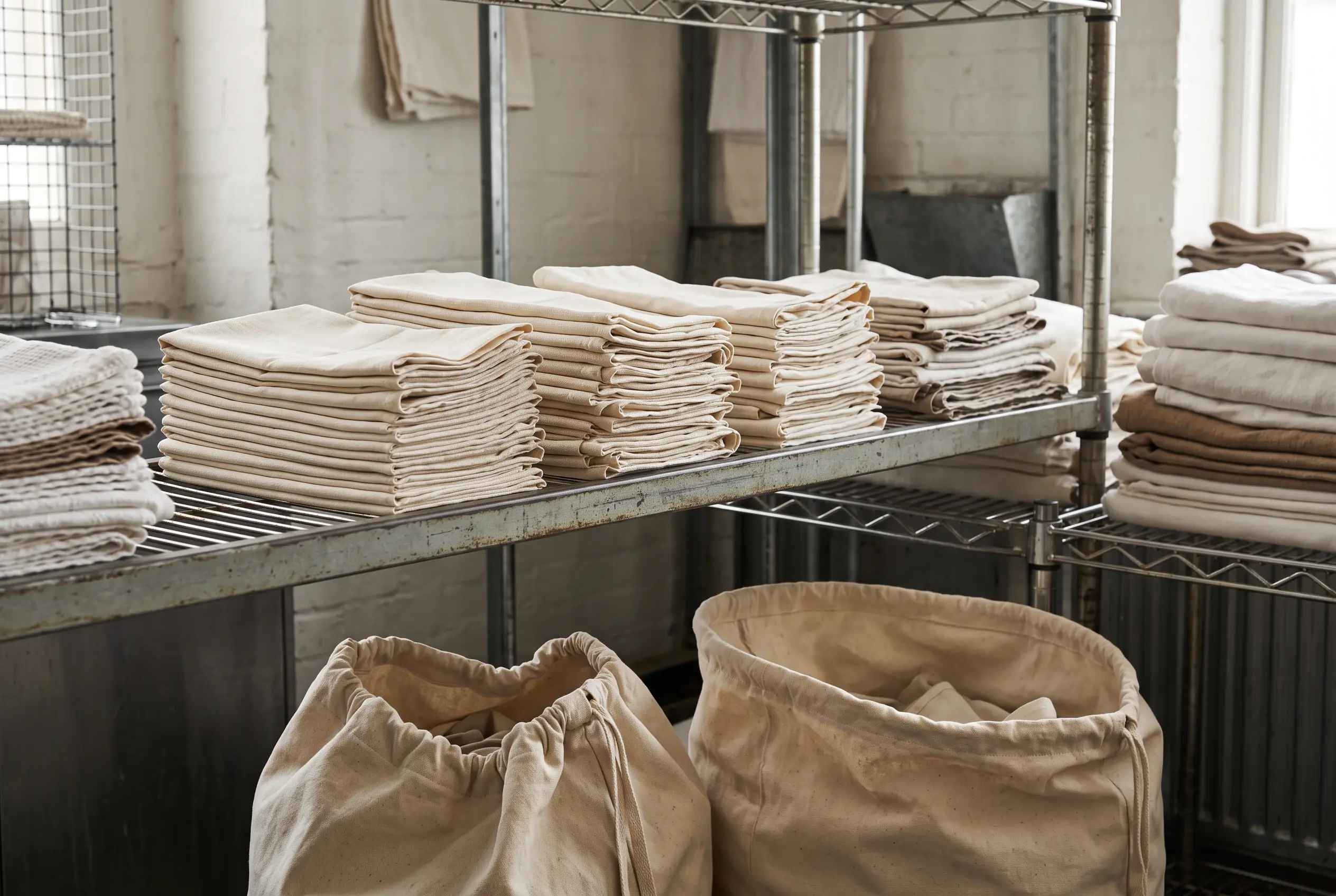
Managed napkin hire is about more than having clean napkins available for each service. It involves an ongoing arrangement for laundering used linen, replenishing the supply and delivering clean items when needed. Understanding how these parts fit together helps restaurant operators assess whether a rental arrangement will work with their service routines.
In Cleantex's restaurant linen range, napkins are listed alongside tablecloths and overlays as part of its wider table linen offering in Perth.
Before comparing providers, it helps to look beyond the initial supply. The important questions concern what happens after napkins have been used, how the next supply is arranged and which tasks restaurant staff still need to manage.
Cleaning Keeps the Linen Cycle Moving
Laundering is a central part of managed linen rental. Instead of purchasing napkins and organising all the washing independently, a restaurant receives a service that includes cleaning the hired linen for continued use.
This can reduce the laundry workload on site, but it does not remove every handling task. Used napkins still need to be gathered and made available for collection. Restaurants should establish where they will be held, how staff will prepare them for handover and whether any particular return instructions apply.
It is also useful to separate routine laundering from individual linen issues. Napkins that arrive marked, damaged or unsuitable for use should be set aside so the issue can be raised with the provider. Before the arrangement begins, clarify how these items should be reported and whether replacement conditions apply. Do not assume that every missing or damaged item is automatically covered.
The timing of the exchange matters too. Staff need to know when used linen is due for collection and when clean stock is expected. A clear routine helps prevent used items from being mixed with clean supplies and makes it easier to prepare for the next service.
Restocking Maintains the Agreed Supply
The first delivery establishes the arrangement, but restocking keeps the supply going. The quantity required will depend on how the restaurant operates, including the number of tables, service periods and how frequently napkins are changed.
A useful starting point is to understand how many napkins are needed during a typical service and how much additional stock is required while used items are away for laundering. Restaurants with several sittings need to consider how many clean napkins must be available for each service, as well as the additional stock required while used linen is away for laundering.
These requirements should inform the agreed order quantity. They should not be treated as fixed indefinitely. Seasonal demand, changes in seating capacity and busier trading periods can all affect how much linen a restaurant needs.
It is also worth deciding how changes will be communicated. A temporary increase for a special event may require a different adjustment from a lasting increase in daily demand. Keeping the agreed quantity and any approved changes clear helps avoid confusion when the next delivery arrives.
Delivery Connects the Linen Service to Restaurant Operations
Clean napkins are only useful when they reach the restaurant in time for service. Delivery arrangements should therefore fit the business's operating schedule and the practical conditions at the premises.
Before the first exchange, confirm the expected delivery schedule and where clean linen will be received. Restaurants in shared buildings or busy commercial areas may also need to consider access restrictions, receiving hours and the availability of staff to accept deliveries.
Collection arrangements deserve the same attention. Used linen and clean stock may need to be handled at different points, depending on the layout of the premises. If so, staff should know where each handover takes place.
A nominated contact can also help keep communication straightforward. This person can clarify delivery instructions, raise questions about an expected supply and communicate changes to the agreed arrangement. These details are best confirmed with the provider rather than assumed to be standard across all rental services.
Choose Napkins That Suit the Dining Environment
The napkin itself remains an important part of the decision. Size, material, colour and finish can influence how it looks on the table, how it works with the restaurant's crockery and how well it suits the overall dining style.
Consider the practical requirements alongside appearance. A formal dining setting may call for a different look from a casual restaurant, while the size and material should also suit the way napkins are folded, presented and used during service.
When discussing available options, ask the provider which combinations can be supplied and whether the selected item can be maintained as part of the regular order. Do not assume that every size, colour or material is available in every combination.
The product choice should also remain consistent when comparing quotes. Two proposals are not directly comparable if they cover different napkins, quantities or supply arrangements. Record the selected item clearly so the service and price can be assessed on the same basis.
Set Clear Responsibilities Before the First Exchange
A managed arrangement can take care of recurring laundering and supply, but the restaurant still needs a practical process for handling linen between deliveries. Establishing responsibilities before the first exchange helps staff understand what they need to do.
Consider these questions:
- Who gathers used napkins after each service?
- Where are used items kept before collection?
- Who makes them available for the agreed handover?
- Who receives clean linen and checks the delivered quantity?
- How should missing, marked or damaged items be reported?
- Who is authorised to request changes to the regular order?
These are restaurant-side operating considerations, not necessarily services provided by the linen supplier. The aim is to make the daily routine clear without creating unnecessary paperwork.
A short set of internal instructions may be enough. Staff should know where used linen belongs, where clean stock is stored and who to contact when something does not match the expected arrangement.
Compare the Full Arrangement, Not Just the Hire Price
The lowest quoted price does not always represent the best value. When comparing managed napkin hire, consider the complete recurring arrangement and the work it replaces.
Check whether each proposal covers the same napkin type, quantity, laundering and delivery frequency. Differences in these details can affect both the price and the amount of work left for restaurant staff.
It is also important to clarify how exceptional situations are handled. Ask about the terms for missing or damaged items, additional quantities, changes to delivery arrangements and any charges outside the regular service. If the proposal does not explain these points, request clarification before agreeing to the arrangement.
Restaurants moving from owned napkins to hired linen should consider their existing stock separately. Decide whether those items will continue to be used, stored or retired. They should not be mixed into a hired-linen return without prior agreement.
Finally, review the practical arrangements for starting and ending the service. Confirm what needs to be in place before the first delivery and what happens to hired items when the agreement finishes. The specific conditions should be taken from the provider's proposal or contract rather than assumed from a general description of managed hire.
Make the Linen Routine Work for Your Restaurant
When napkins are supplied through a managed table linen rental arrangement, laundering, replenishment and delivery form part of the recurring service. Its practical value depends on whether the chosen napkins, quantities and exchange schedule suit the way the restaurant operates.
Before committing, clarify what the service includes, what responsibilities remain with the restaurant and how changes or exceptions will be handled. With those details agreed, staff can manage the linen routine more consistently and keep clean napkins ready for service.