













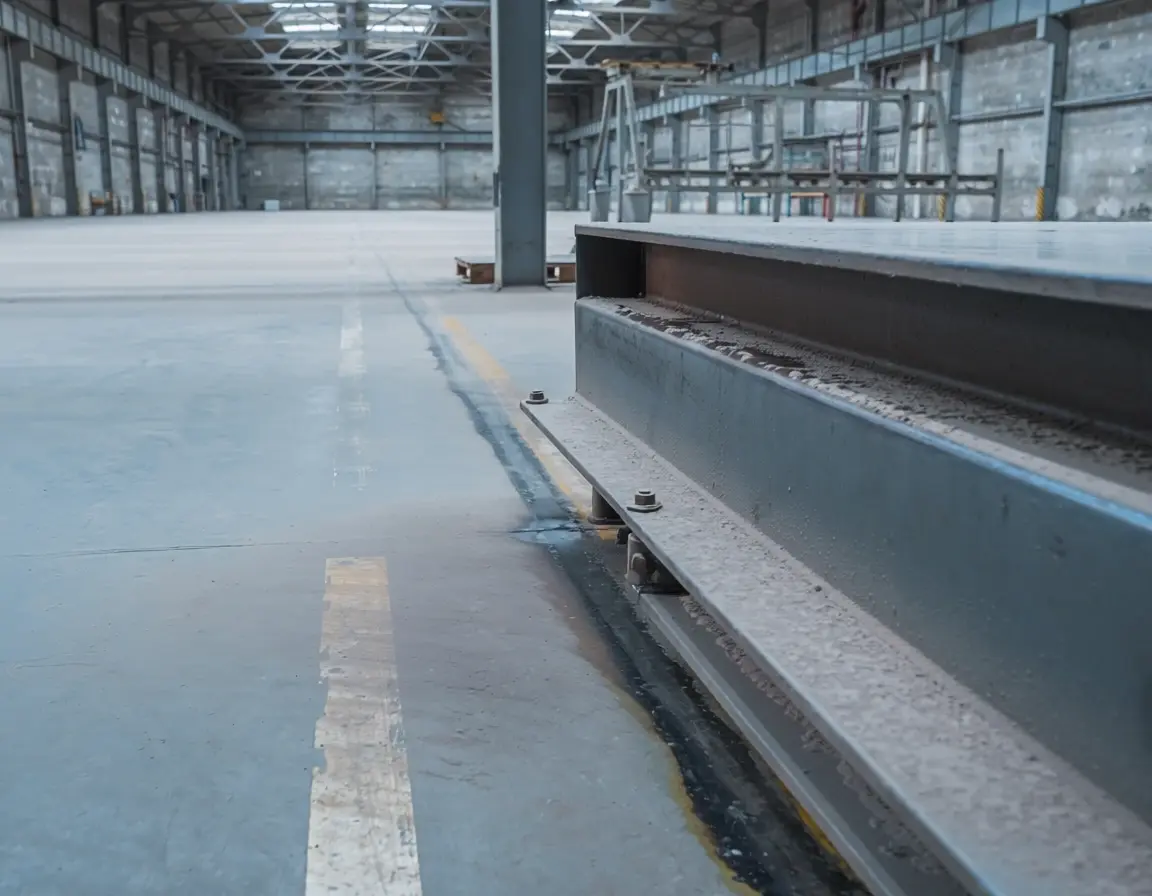
Recurring cleaning problems often appear slowly. A floor edge darkens between visits, dust returns to the same beam, residue spreads beyond one machine or a route that once stayed presentable now needs repeated attention. Asking the crew to ‘clean harder’ may produce a short-lived improvement, but it does not reveal whether the current plan has the wrong task, method, interval or access arrangement.
A reset is warranted when the pattern persists after ordinary scheduled work and the team can describe where, when and how it returns. The decision should come from observable conditions rather than a general feeling that the site needs a deep clean. For industrial facilities, managers should define a targeted recovery task, learn from it and build a recurring plan that better matches the way soil now accumulates.
Confirm that the problem is recurring
Start with three or more dated observations from the same defined area. Record the location, surface, extent of visible soil and time since the last scheduled task. Include a nearby area that is performing normally where possible. That comparison helps distinguish a repeated pattern from one unusually busy shift or an isolated missed task.
Use the same description each time. Terms such as ‘bad’ or ‘heavy’ make comparison difficult, while a note such as ‘dark film along six metres of the eastern floor edge two days after service’ can be checked again. Recurrence is the first reset signal because it shows that the normal cycle is not holding the agreed condition.
- The same defined area changes again within a consistent interval after scheduled work.
- The condition follows a repeatable edge, route, height or transfer point.
- The surface is regularly unavailable during the task’s normal service window.
- The current method improves the area initially, but the visible condition returns before the next planned task.
Map where the accumulation begins and spreads
Plot the earliest visible point and the direction in which the condition extends. Soil may follow vehicle tyres, foot traffic, wash-down movement, a transfer point or routine work around one asset. Look at corners, thresholds and sheltered ledges as well as the obvious centre of the affected area.
A map keeps the response proportionate. A narrow transfer route may need a different task at a different time, while widespread settlement may call for a broader periodic activity. It also lets managers compare the affected path with the existing scope and see whether the relevant edges, heights or adjoining zones were ever included.
Describe the soil and the surface together
Record whether the material is loose, tracked, oily, sticky, powdery or bonded, using known site information to name it where available. Add the approximate area and the surface beneath it. The same visible amount can require different practical treatment on a smooth sealed floor, a textured edge, painted steel or a high ledge.
Review manufacturer care information and site restrictions for the surface before shortlisting a method. Existing wear, staining or damage should be photographed before a test. This combined description gives the team a useful basis for choosing equipment, product, contact time and work rate without defaulting to the most aggressive option.
Check the access delivered on routine visits
Compare the access assumed by the cleaning schedule with what the crew actually receives. Stock may occupy the edge at service time, a parked vehicle may cover the floor, guards may remain in place or production may keep the route busy. An included task can still fail repeatedly when the surface is unavailable during every normal window.
List each enabling action and who controls it. Moving stock, arranging an escort or opening a longer shutdown window may be more effective than increasing visit frequency. If routine access cannot be created, shift the task into a planned periodic window with clear preparation duties rather than leaving it as an impossible item on every service sheet.
Compare the current method and timing with the condition
Read the existing task description alongside the soil-and-surface record. Check whether the available equipment reaches the full area, whether the method suits the degree of adhesion and whether enough time is allocated for the actual extent. A task written for loose dust will not necessarily remove a bonded film, even if it is performed more often.
Ask the crew what happens during the task: where progress slows, which edges remain, what is moved and what must be worked around. Their observations can expose a mismatch that inspection after the event misses. Rewrite vague instructions into a defined area, sequence and observable finish before deciding that a larger reset is needed.
Where the method is effective at first but the condition returns too soon, compare the service interval with the recorded rate of accumulation. A weekly task may be adequate in one operating period and too slow after production volume, traffic or shift patterns change. The review should focus on the affected zone rather than increasing frequency across the entire facility automatically.
Run one bounded reset trial
Choose a representative area large enough to show the real work but small enough to control. Define the starting condition, preparation, method, equipment, access window, waste route and expected visible result. Set a stop point if the surface responds poorly or progress is substantially different from the estimate.
Inspect immediately after the trial, then again at agreed intervals. Record how much of the condition changed, how long the work took, where access failed and when visible accumulation returned. Use that trial evidence to define any wider industrial cleaning task.
Choose the reset size from trial findings
If the trial restores the area at a workable rate, estimate the remaining zones using comparable soil, surface and access conditions. Separate unlike areas rather than applying one productivity assumption everywhere. Build the reset around available operating windows so restored routes are not immediately exposed to the same traffic or activity without a follow-up plan.
If the result is limited, change one variable at a time or refer the unresolved surface for further site direction. Do not scale an ineffective test into a whole-facility task. The reset decision should state exactly which areas will be treated and what access the site can give before that work starts.
Write the revised recurring plan
Use the reset records to specify the new baseline tasks. Update the affected areas, method, interval, access preparations and periodic activities only where the findings support a change. Add observable triggers, such as accumulation reaching a defined edge or repeated tracking beyond a marked boundary, so supervisors know when an early review is needed.
Schedule a short follow-up after several service cycles. Compare the same mapped points with the earlier observations and ask the crew whether access and time were delivered as planned. Keep changes that are working, adjust the variables that are not and close temporary reset tasks once the revised recurring plan can maintain the agreed condition.
Use Cleanpro to scope the reset from site observations
Cleanpro's industrial cleaning service covers plants and facilities. Bring the mapped accumulation, surface details, access record and trial question to support discussion of a defined recovery task. This is more useful than asking for an undefined deep clean across the whole site.
Keep the one-off reset separate from changes to routine cleaning. The reset restores a defined area; the ongoing plan determines what work, access and interval will apply after that restoration. Review the same observation points later and change only the recurring tasks supported by the result.
Routine work has reached its limit when the same mapped condition returns, the current task no longer matches the soil and surface, or reliable access is absent from the scheduled window. A bounded trial separates those variables before a larger recovery task is approved.
Start with one representative zone and two service-cycle observations. That evidence keeps the decision focused on restoring the affected baseline and revising only the routine work that the trial supports.