













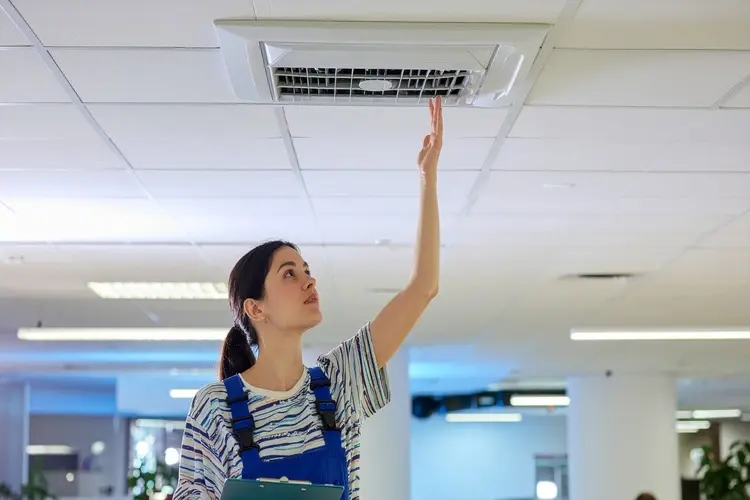
Maintaining high standards of cleanliness within a commercial facility involves more than surface-level sanitation. Atmospheric hygiene plays a pivotal role in the overall health and safety profile of any professional environment. In Western Australia, the unique climate conditions often lead to high levels of external dust and pollen entering buildings. Achieving optimal workplace air quality Perth businesses require involves a technical understanding of how air moves and how it carries contaminants throughout a structure.
The Work Health and Safety Act 2020 identifies poor air quality as a significant workplace hazard. Employers have a duty of care to ensure that ventilation systems are functioning effectively and providing a continuous supply of fresh air. Failure to manage atmospheric hygiene leads to a buildup of pollutants, which can cause respiratory issues and decreased cognitive performance among occupants. A coordinated approach to facility management ensures that both surfaces and the air remain free from harmful particulates.
Regulatory Standards for Mechanical Ventilation
Western Australian commercial buildings must adhere to specific engineering standards regarding air exchange. AS 1668.2 specifies the minimum ventilation rates required for various facility types. These standards ensure that carbon dioxide and other metabolic by-products do not reach levels that impair health. Professional management of indoor air hygiene commercial spaces depend on involves regular inspections of mechanical plant equipment to ensure compliance with these benchmarks.
A compliant ventilation system must provide sufficient outside air to dilute internal pollutants. In high-occupancy environments such as call centres or educational facilities, the demand on these systems is substantial. If a system is poorly maintained, it can become a source of contamination rather than a solution. Dust accumulation within ductwork provides a breeding ground for bacteria and fungi, which are then distributed throughout the facility during every cycle of the HVAC system.
The Interaction Between Surfaces and Air Quality
A common misconception in facility management is that air quality and surface cleanliness are independent variables. In reality, they are deeply interconnected through the process of resuspension. Dust that settles on horizontal surfaces, such as desks and carpets, is easily disturbed by foot traffic or mechanical vibration. Once airborne, these particles contribute to poor workplace air quality Perth facilities experience, particularly in older buildings with less efficient filtration.
Effective cleaning programs focus on capturing dust rather than simply moving it. Traditional dusting methods often launch particulates back into the air, where they remain suspended for hours. Professional commercial cleaning services utilise microfibre technology and HEPA-filtered vacuums to ensure that dust is removed from the environment. This technical approach directly supports the maintenance of high atmospheric standards by reducing the reservoir of particulates available for resuspension.
Dust Capture at Entry Points
The external environment in Western Australia is a primary source of internal air pollutants. Fine silica dust and organic matter are frequently tracked into buildings on footwear. Once inside, these materials break down into smaller particles that stay airborne for extended periods. Implementing a professional floor matting system at every entrance serves as a critical first line of defence. By trapping moisture and grit at the door, the volume of airborne dust is reduced significantly, supporting the overall indoor air hygiene commercial spaces require for long-term health.
Managing Volatile Organic Compounds and Odours
Volatile Organic Compounds (VOCs) are gases emitted from various solids and liquids found in the workplace. Common sources include new furniture, carpets, office equipment, and certain consumer-grade cleaning products. Long-term exposure to elevated VOC levels contributes to "sick building syndrome," characterised by headaches, eye irritation, and fatigue. Managing these gases requires a combination of adequate air exchange and the selection of low-emission facility materials.
Professional providers like SWS Group prioritise the use of cleaning chemistries that do not contribute to atmospheric toxicity. Industrial-strength products used by a specialised commercial cleaning division are formulated to provide high efficacy without the heavy fragrance loads or solvent emissions typical of retail alternatives. This selection process is essential for maintaining a safe breathing environment, particularly in enclosed spaces with limited natural ventilation.
Humidity Control and Microbial Proliferation
Atmospheric moisture levels have a profound impact on the growth of biological contaminants. In the humid coastal regions of Western Australia, managing internal humidity is essential for preventing the development of mould and mildew. High humidity levels encourage the growth of dust mites and fungal spores, both of which are potent allergens. Conversely, air that is too dry can cause irritation to the eyes and respiratory tract, making occupants more susceptible to viral infections.
Washrooms and kitchenettes are high-risk zones for moisture-related issues. A facility washroom services program must include the inspection and maintenance of exhaust fans to ensure that damp air is removed promptly. In commercial kitchens, grease-laden air must be captured and filtered to prevent it from settling on surfaces throughout the building. Managing these zones effectively prevents the migration of odours and moisture to administrative areas, sustaining the professional workplace air quality Perth managers expect.
Advanced Filtration and Purification Technology
Standard HVAC filters are often insufficient for removing the fine particulates that affect human health. High-Efficiency Particulate Air (HEPA) filtration is the gold standard for atmospheric hygiene. These filters are capable of capturing 99.97% of particles as small as 0.3 microns, including bacteria and many viral carriers. Integrating HEPA technology into both the building's central air system and portable air scrubbers is a highly effective strategy for improving indoor air hygiene commercial spaces manage during periods of high environmental stress.
Active air purification systems represent an additional layer of protection. Technologies such as bipolar ionisation or UV-C light treatment can neutralise pathogens while they are still airborne. These systems work by either clustering particles together so they can be filtered more easily or by disrupting the DNA of microorganisms to prevent replication. For facilities with specific infection control requirements, such as medical centres or aged care homes, these technologies are essential components of a modern hygiene strategy.
Integrated Services and Air Hygiene
Successful facility management relies on the synergy between different service streams. Air quality is not solely the responsibility of the HVAC technician; it is also influenced by the pest controller, the cleaner, and the laundry manager. An integrated service model, such as that provided by SWS Group, ensures that all these factors are coordinated to produce a healthier environment.
For example, the management of commercial textiles can impact air quality. Dirty linen and workwear can release dust and organic fibres into the air if not handled correctly. Professional laundering processes involve thermal disinfection and lint capture systems that prevent these materials from contaminating the facility air. Similarly, integrated pest management ensures that the building is sealed against external entry, which also prevents the ingress of external dust and allergens.
Hand Hygiene and Atmospheric Health
Surface hygiene and air hygiene work together to reduce the total microbial load of a building. When occupants use hand sanitizer services, they reduce the number of germs transferred to high-touch surfaces. This decreases the likelihood of pathogens being disturbed and becoming airborne. Maintaining a clean facility is a circular process where every action supports the efficacy of the others.
Safety and Compliance Monitoring
Determining the effectiveness of a ventilation program requires objective measurement. Modern hygiene auditing involves more than a visual inspection; it requires the use of specialised sensors to monitor atmospheric conditions. Regular testing for carbon dioxide (CO2) provides a clear indication of whether the fresh air supply is sufficient for the number of occupants. High CO2 levels often correlate with high levels of other indoor pollutants, serving as a reliable proxy for overall workplace air quality Perth businesses need to monitor.
Monitoring for fine particulate matter (PM2.5) is also critical, especially in areas near industrial zones or high-traffic roads. These tiny particles can penetrate deep into the lungs and enter the bloodstream. Documentation of these metrics is increasingly important for WHS compliance. By keeping detailed logs of air quality tests and filter changes, facility managers can prove they are meeting their duty of care. This proactive documentation is a core part of the professional services delivered by a commercial cleaning division.
Inclusive Facility Hygiene and Safety
A truly healthy workplace accounts for the needs of all occupants. This includes providing high-standard safety equipment and ensuring that facilities are inclusive and accessible. Maintaining workplace first aid supplies and professional menstrual product dispensers ensures that the facility supports the wellbeing of everyone. These services, while not directly related to ventilation, contribute to the overall standard of care that defines a high-quality commercial environment.
Strategic Atmospheric Management
The complexity of modern building systems requires a strategic approach to hygiene. Relying on passive ventilation or standard cleaning routines is rarely sufficient for the demands of a growing business. A technical framework for air hygiene must involve:
- Regular assessment of mechanical ventilation performance against AS 1668.2.
- Implementation of high-performance filtration, specifically HEPA standards.
- Coordination of surface cleaning with atmospheric management to prevent dust resuspension.
- Use of professional chemistry that does not contribute to VOC levels.
- Ongoing monitoring and auditing to ensure consistent compliance.
Focusing on these areas allows businesses to create environments that support productivity and health. The investment in superior air hygiene is reflected in reduced absenteeism and improved employee satisfaction. It also protects the physical assets of the building by preventing the buildup of grime and moisture damage in sensitive areas.
Conclusion: Maintaining Excellence in Air Hygiene
Developing a comprehensive strategy for workplace air quality Perth facilities can sustain requires a commitment to technical excellence. By prioritising indoor air hygiene commercial spaces remain productive, safe, and compliant with Western Australian health regulations. A clean facility is one where the air is as pristine as the surfaces, creating a unified standard of professional hygiene.
As a specialist in integrated facility services, SWS Group provides the technical expertise and coordinated service delivery needed to manage these complex atmospheric challenges. From industrial-grade cleaning to specialised air care in washrooms, the three specialist divisions ensure that every aspect of facility health is addressed. To discuss an atmospheric hygiene assessment for your premises, call our Perth office: (08) 9336 6944.