













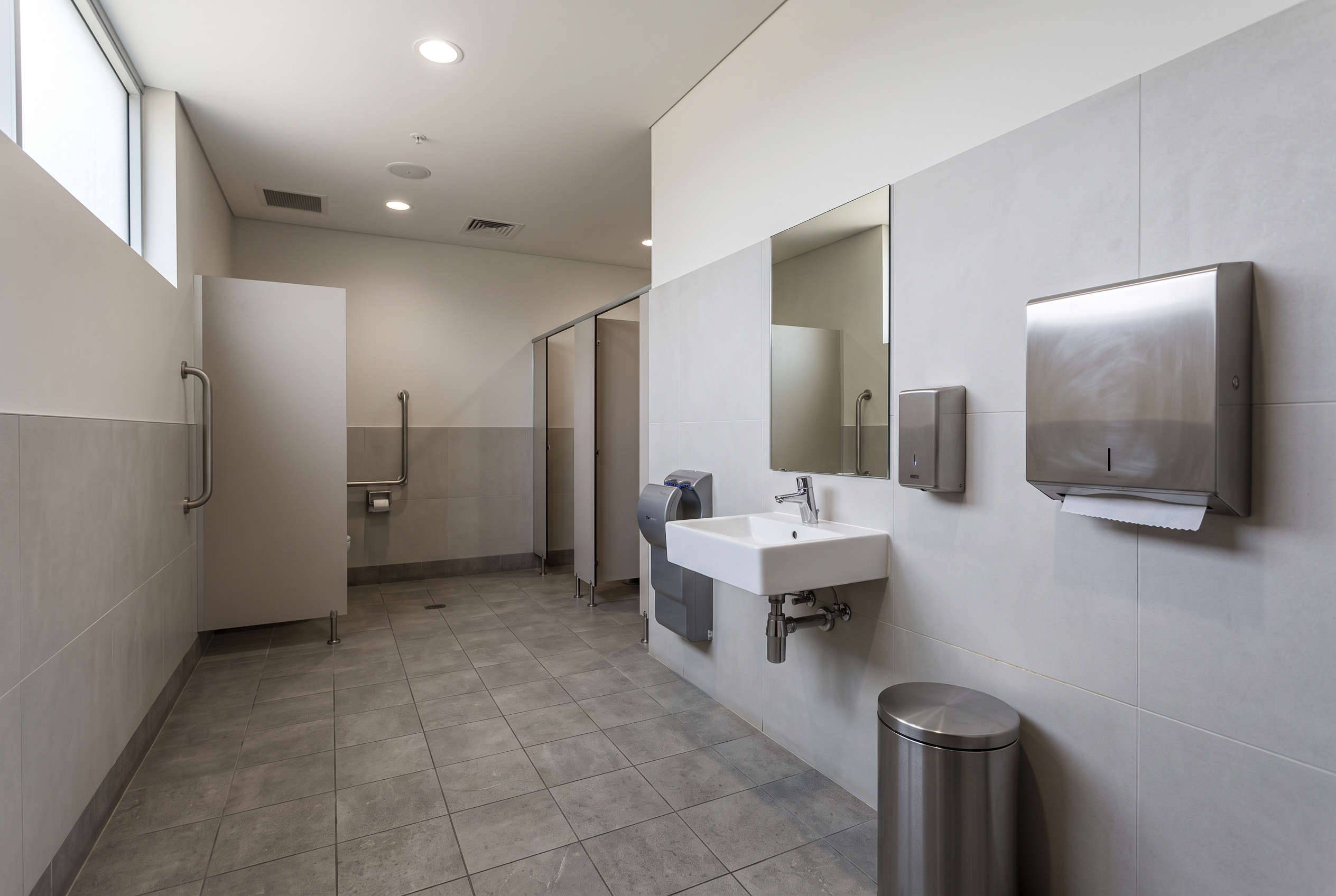
Touch-free washroom equipment allows users to operate selected fittings without handling conventional controls. Depending on the system, this may include automatic soap dispensers, touch-free paper towel dispensers and automatic hand dryers.
However, choosing touch-free equipment involves more than comparing features or selecting a model with an automatic activation mechanism. The fittings need to suit the room layout, expected usage, user requirements and available maintenance arrangements.
Before committing to an upgrade, assess how each fitting will operate in practice, what it needs for installation and how it will be maintained. This helps facility managers avoid equipment that looks suitable on paper but creates difficulties during everyday use.
Identify Which Washroom Functions Need Touch-Free Operation
Start by identifying the tasks and fittings that would benefit from touch-free operation. Some facilities may only need automatic soap dispensers, while others may also consider touch-free paper towel dispensers or automatic hand dryers.
It is important to check how each product actually works rather than relying on terms such as automatic or hands-free. Some dispensing systems use mechanical feeding or cutting mechanisms, while sensor-operated models detect a user's presence or movement before activating. Their installation and maintenance requirements can differ.
For each proposed fitting, establish:
- How the user activates the equipment.
- Whether any surfaces still need to be touched during normal operation.
- Whether the dispensing or activation process is consistent.
- What power or consumables the unit requires.
- How the unit can be cleaned, inspected and maintained.
For example, when comparing soap dispenser options, consider the activation method, dispensing amount, refill compatibility and maintenance access. A suitable model should meet the site's requirements without introducing unnecessary operating difficulties.
Match Equipment to Actual Washroom Use
Touch-free equipment needs to accommodate the way people use the facilities. A staff washroom, public reception area and workplace amenity serving several shifts can experience very different levels of demand.
Assess Foot Traffic and Peak Periods
Average daily occupancy does not always reveal when individual fittings experience the most use. A washroom may remain relatively quiet for several hours, then become busy during scheduled breaks, shift changes or public events.
Observe the facilities at different times and record:
- When queues form around sinks or dispensing units.
- Whether soap or paper towel supplies run low during particular periods.
- Which fittings receive the most frequent use.
- Whether users experience delays or repeated activation attempts.
- When faults, blockages or complaints are most likely to occur.
These observations help establish the capacity and servicing requirements of each unit. They also provide a more useful basis for selecting equipment than relying on a site-wide visitor count alone.
Consider User Behaviour and Access Requirements
A touch-free fitting should be straightforward to use. Users should be able to locate the activation area and complete the task without repeated hand movements or awkward reaching.
Consider children, older visitors and people with limited reach or dexterity. Check the activation position, operating range, mounting height and clearance around each fitting. Where appropriate, assess operation from a seated position as well as standing.
A trial with representative users can reveal problems that may not be obvious during a supplier demonstration. Pay attention to inconsistent activation, dispensing delays and the space needed to approach and use the fitting comfortably.
WorkSafe WA's Managing the Work Environment and Facilities Code of Practice provides guidance on workplace facilities, including suitable handwashing arrangements and access to soap and hygienic hand-drying facilities.
This is workplace facilities guidance, not a complete assessment of washroom accessibility. Consider practical access requirements alongside the applicable accessibility standards and building requirements for the site. A fitting that activates automatically does not, by itself, establish that the entire washroom is accessible or compliant.
Check Installation and Site Compatibility
The selected equipment needs to suit the existing washroom infrastructure. Before purchasing, review the installation requirements for each unit and identify any changes needed to the surrounding fittings.
Confirm Power and Mounting Requirements
Power requirements depend on the equipment selected. Some touch-free dispensers are battery-operated, while automatic hand dryers require a suitable electrical supply. Check the manufacturer's specifications for battery or power requirements, mounting dimensions, fixing methods and access for servicing before installation.
Confirm the following with the manufacturer or supplier:
- Whether the unit requires batteries or mains power.
- The dimensions, mounting position and fixing requirements.
- Whether the existing wall or bench can support the fitting.
- The clearance needed to open covers and access internal components.
- How power interruptions or equipment faults affect operation.
- Whether any installation work needs to be completed by a suitably qualified person.
These details should be confirmed before finalising the equipment layout. A fitting that cannot be accessed easily for installation or maintenance may create avoidable disruption later.
Check Cleaning Conditions and Material Durability
Washroom fittings are exposed to moisture, frequent handling and regular cleaning. Their housings, finishes and activation components need to suit the conditions in which they will operate.
Review the manufacturer's instructions for approved cleaning products and methods. Check whether the materials are suitable for the expected moisture exposure and whether the equipment housing can be cleaned without damaging its components.
Also consider the position of the equipment relative to basins, splash zones and other fittings. Units placed where they are frequently exposed to water or accidental impact may require a different mounting position or product specification.
Plan Cleaning and Maintenance Requirements
Touch-free equipment still needs routine attention. Depending on the model, performance may be affected by activation components, dispensing outlets, mechanical parts, batteries and other internal fittings.
Establish which checks can be completed by routine cleaning staff and which require a maintenance technician. Daily or scheduled inspections may identify visible problems, while internal repairs and electrical work should be handled by appropriately competent and authorised personnel.
Establish a Clear Fault Reporting Process
Staff should know how to report a fault and what information to provide. A description such as "the dispenser is not working" may not give the maintenance team enough information to investigate the problem efficiently.
Record the affected unit, location, model and observable symptoms. Relevant details may include:
- The activation mechanism fails to respond or works intermittently.
- The unit activates without a user present.
- Dispensing is inconsistent or stops despite an available refill.
- A low-battery warning appears.
- The housing, outlet or surrounding fitting is damaged.
- Product is leaking from the unit.
Also establish who receives fault reports, who arranges inspection and how unresolved issues are followed up. Where a unit is unavailable, users should have access to an alternative facility until it can be returned to service.
Maintain Consumables and Waste Arrangements
Automatic dispensing does not necessarily reduce the amount of soap or paper used. Consumption depends on the equipment, dispensing settings, user behaviour and level of activity.
Check the refill size, compatible consumable and dispensing settings for the actual model. Record consumption during normal operation before establishing reorder levels. Confirm whether products are widely available or limited to specific cartridges and refill formats.
Hand-drying equipment also affects the site's supply and waste requirements. When comparing hand-drying options, consider whether the system relies on paper towels and adequate waste capacity or an automatic hand dryer with its own power and maintenance requirements.
For paper-based systems, assess how quickly nearby bins fill during peak periods. A full dispenser does not provide a satisfactory arrangement when discarded towels have nowhere suitable to go. Replenishment and waste collection should therefore be planned together.
Compare Total Costs and Service Responsibilities
Purchase price is only one part of the decision. The full cost of operating touch-free equipment may include installation, consumables, batteries or electricity, cleaning, maintenance, repairs and replacement components.
When comparing supplier quotations, establish what is included and what will be charged separately. Check whether the quoted arrangement covers installation, scheduled maintenance, compatible refills, replacement parts and fault attendance.
Consumable availability also deserves attention. Some units require model-specific cartridges or components, which can affect purchasing flexibility and ongoing costs. Confirm how refills are ordered, whether compatible alternatives are available and what happens to remaining stock if the equipment is replaced.
Make sure the division of responsibility is clear. Facility staff may handle routine visual checks and stock monitoring, while a supplier or technician may be responsible for specialist maintenance. The quotation and service agreement should identify these tasks rather than leaving expectations open to interpretation.
Compare equipment using the same cost categories and service assumptions. A lower purchase price may not represent better value when ongoing consumables, maintenance or downtime are taken into account.
Test Equipment Before a Wider Rollout
A practical trial allows facility managers to assess how equipment performs under normal site conditions before committing to a larger installation.
Choose a representative washroom and test the fittings during periods of typical and heavier use. Assess whether activation mechanisms respond consistently, whether users can reach them comfortably and whether dispensing amounts are suitable.
The trial should also consider:
- Activation delays, missed responses and unintended activation.
- Ease of use for people with different access requirements.
- Refill replacement and access to internal components.
- Cleaning access and compatibility with routine cleaning methods.
- Consumable consumption and waste-bin capacity.
- Fault reporting, maintenance access and equipment downtime.
Collect feedback from users and the staff responsible for cleaning and maintaining the facilities. Their observations can reveal operational problems that may not appear during a short product demonstration.
Plan the changeover as well. Where existing fittings will be unavailable during installation, identify alternative facilities and provide clear temporary directions. Once the new equipment is operational, make sure relevant staff understand the revised cleaning, refill and fault-reporting arrangements.
Choose Equipment That Suits the Whole Site
The right touch-free washroom system should work consistently, accommodate its users and remain practical to maintain. Its suitability depends on the equipment itself, the room layout, installation requirements and the arrangements needed to keep it operational.
Compare the options against actual site conditions rather than relying on appearance, individual features or purchase price. A representative trial, clear maintenance responsibilities and realistic consumable planning provide a stronger basis for selecting equipment that can meet the site's everyday requirements.