













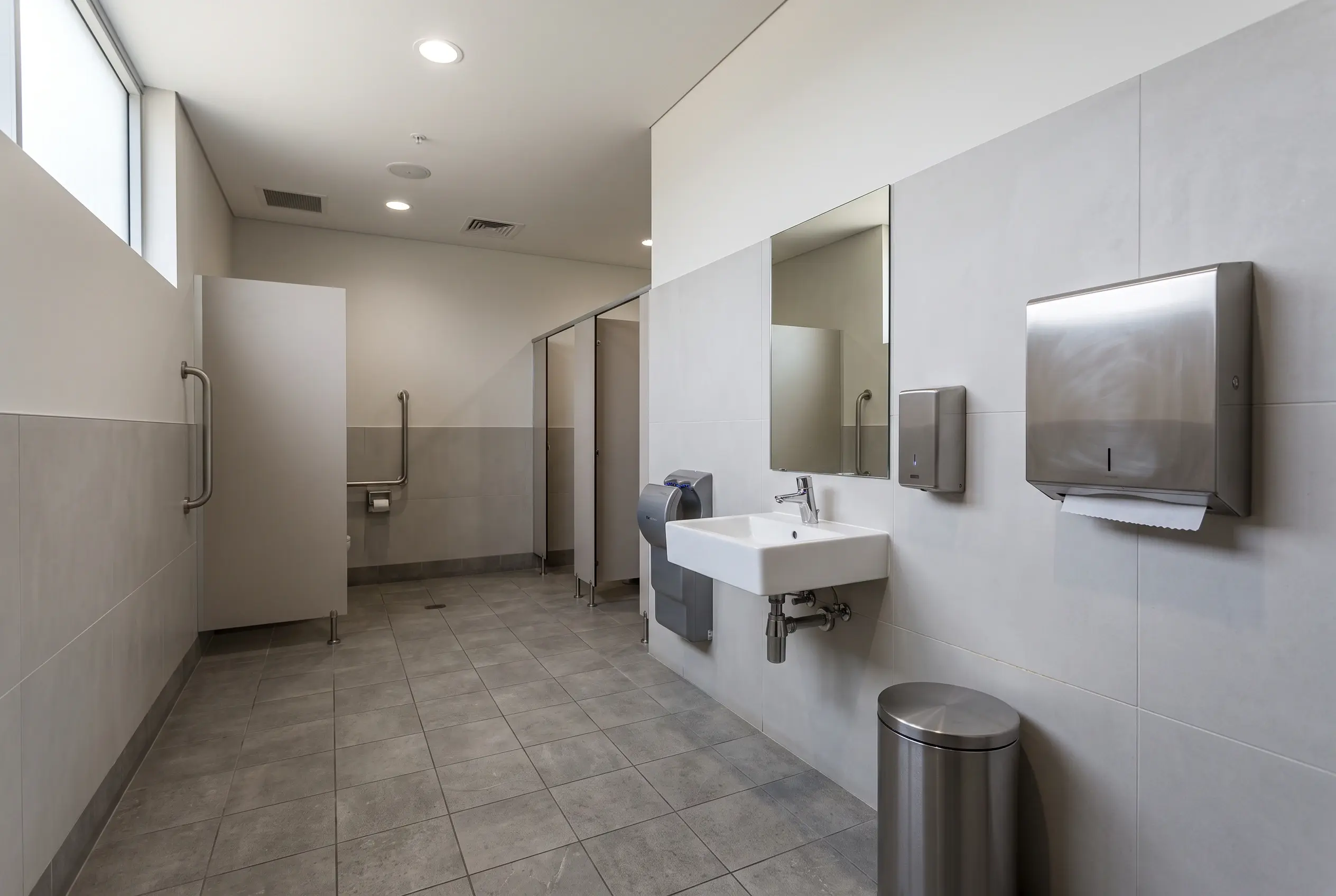
A shared washroom rarely draws attention when everything is stocked. It becomes visible when towels, soap or toilet tissue run short.
Good restocking is not just a purchase task. It connects the supplies in storage with the dispensers people actually use.
Why Consumable Readiness Matters
A consistent restocking process helps keep shared facilities supplied throughout the working day. The right arrangement depends on who manages stock at your site, how often supplies are checked and how demand changes.
A planned process also helps site teams avoid urgent orders. The Managing the Work Environment and Facilities Code of Practice, published by the Western Australian Government, recommends regular replenishment of consumables such as soap and toilet paper. Regular checks give managers better visibility before products run out.
A shortage report should identify the location and product, not just say that supplies are low. That gives the person responding enough detail to bring the correct refill.
Planning Stock Around Real Usage
Washroom demand changes through the week. Start-of-week activity, shift changes, visitor peaks and public events can all affect usage.
Demand should not be judged from invoices alone. Product orders show what was bought, not where shortages occurred or when pressure appeared.
Mapping Busy Periods
Record when supplies run low in each room and compare those times with shift changes, visitor bookings or other busy periods. Use these observations to decide when checks are needed; an order history alone cannot show when a dispenser was empty.
Setting Practical Reorder Points
Set the reorder point around expected use while waiting for the next delivery, plus a buffer for variation. Check the supplier lead time and public holiday arrangements before deciding how much stock to hold.
Keep the units consistent: cartons ordered, rolls in storage and sheets used are not interchangeable. If you estimate demand in rolls, convert the order quantity into rolls before comparing it with the reorder point. Count usable stock and confirmed incoming deliveries separately so an order that has not arrived is not mistaken for supplies available today.
Use a stock log to record deliveries, refills and the quantity remaining in storage. Moving a roll from a cupboard into a dispenser reduces cupboard stock, but does not mean the entire roll has already been used. Check dispenser levels as well as the cupboard before placing another order.
Match Refills to the Installed Dispensers
Paper towel dispensers should match refill type, sheet size and expected demand. Poor matches can cause jams, waste and extra checks.
If refills repeatedly run out between checks, review both dispenser capacity and check timing. A larger unit may help, but it does not remove the need to confirm that paper feeds correctly.
Soap, toilet tissue and sanitiser systems also need review. Match hand soap dispensers to their intended refill format, rather than assuming foam, liquid and cartridge products are interchangeable.
Keep a record of the dispenser model and the refill product used in each area. Before accepting a substitute, check compatibility and loading instructions. A cheaper carton is not useful if it cannot be loaded into the installed unit. After refilling, test the dispenser rather than relying on a full-looking cover.
Check Waste Capacity Alongside Refills
Include general waste bins in the same inspection. Used paper towels still need somewhere to go, so check bin liners and available bin space alongside refills. If bins regularly fill before the next collection, review their capacity and collection frequency.
Use One Checking and Reporting Routine
A short checklist can cover the essentials:
- Check soap, sanitiser, toilet tissue and paper towel levels at each dispenser.
- Confirm that each dispenser works after refilling and report faults.
- Check bin liners and remaining bin space.
- Record stock taken from storage and flag products approaching the reorder point.
Keep issue notes separate from routine stock counts. Repeated jams or unusually rapid depletion need investigation, not just more cartons added to the next order.
Communication Between Teams
Agree who handles shortages between scheduled visits and where approved backup supplies are kept. Where a room has specific hygiene requirements, follow its approved product and storage procedures before accepting substitutes or moving supplies.
Keep the Cupboard and Dispensers Connected
Shared facilities need more than spare cartons. Match compatible refills to each dispenser, use stock records to set reorder points and make responsibility for checks clear.
When reviewing an existing arrangement, start with the products that run short and when the shortages occur. Then assess whether supply levels, dispenser capacity or check timing needs to change.