













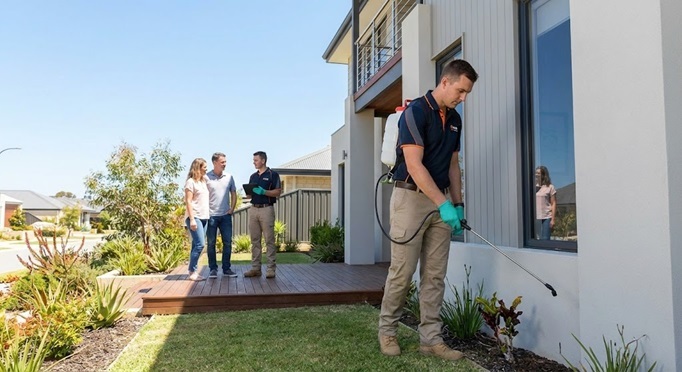
Perth's climate creates perfect conditions for household pests year-round. Warm summers, mild winters, and coastal humidity mean termites, rodents, cockroaches, and spiders don't just survive - they thrive. For homeowners, the question isn't whether pests will appear, but when, and how much damage they'll cause before being detected.
The reality is stark: termites cause over $100 million in damage to Australian homes annually, and most insurance policies don't cover it. A single undetected termite colony can compromise structural timber within months through inadequate termite chemical barrier treatments, turning a minor problem into a $20,000 repair bill. Meanwhile, rodents chew through electrical wiring (a genuine fire risk), and cockroaches spread pathogens that trigger asthma in children.
Professional residential pest control Perth services address these threats through systematic inspection, targeted treatment, and ongoing monitoring. Unlike retail pest products that tackle visible symptoms, professional residential property inspection services identify entry points, breeding sites, and environmental factors that allow infestations to establish and persist.
Why Perth Homes Face Unique Pest Pressures
Perth's geography and building patterns create specific vulnerabilities. Most suburbs sit on sandy soil that termites navigate easily, while limestone construction provides calcium termites need for colony growth. The prevalence of timber-framed homes, weatherboard cladding, and wooden decking creates abundant food sources.
Coastal suburbs from Fremantle to Quinns Rocks experience higher humidity, which attracts German cockroaches and silverfish. Inland areas like Midland and Kalamunda see greater rodent activity as native bushland meets residential development. The Perth Hills face unique challenges with native spiders and ants seeking shelter during winter through predictable seasonal pest activity patterns.
Building design contributes to pest vulnerability. Subfloor voids with poor ventilation create ideal termite habitat. Gaps around plumbing penetrations allow rodent entry. Roof spaces with inadequate screening become possum and bird nesting sites. Gardens with mulch against foundations, timber sleepers, and ornamental wood invite termite activity close to the structure.
Climate patterns matter too. Perth's dry summers drive pests indoors seeking moisture - kitchens, bathrooms, and laundries become prime habitat. Autumn rains trigger ant swarming and spider movement. Winter cold sends rodents into roof spaces and wall cavities. Each season presents different pest pressure requiring adapted responses through understanding seasonal pest activity patterns.
What Professional Residential Pest Control Actually Involves
Effective residential pest control Perth services follow a structured methodology that retail products cannot replicate. The process begins with comprehensive residential property inspection services, examining both interior and exterior areas for pest evidence, conducive conditions, and structural vulnerabilities.
Technicians check subfloor areas for termite mud tubes, moisture problems, and timber damage. They inspect roof voids for rodent droppings, nesting material, and entry points. External inspection covers foundations, weep holes, door seals, window frames, garden beds, fencing, and stored timber. This systematic approach identifies not just current infestations but conditions that will cause future problems.
Treatment selection depends on pest species, infestation severity, property construction, and occupant circumstances. Termite management might involve termite chemical barrier treatments, baiting systems, or direct nest treatment. Rodent control combines mechanical trapping through household rodent trapping programs, exclusion work, and strategic rodenticide placement in tamper-proof stations. Cockroach treatment uses gel baiting in harbourage areas plus residual sprays in wall voids and subfloor spaces.
Spider management focuses on web removal, residual treatments to external perimeters, and habitat modification around the property. Ant control identifies nest locations and applies targeted treatments rather than blanket spraying. Wasp removal involves direct nest treatment during low-activity periods with proper safety equipment.
Professional services use commercial-grade products unavailable to homeowners. These formulations deliver superior efficacy, longer residual protection, and lower environmental impact than retail alternatives. Application equipment - from high-pressure sprayers to specialist dusting tools - ensures products reach harbourage areas where pests actually live.
The Termite Reality Every Perth Homeowner Should Understand
Termites represent the single greatest pest threat to Perth homes. Western Australia has the highest termite activity in Australia, with over 20 economically significant species present. Coptotermes acinaciformis, the most destructive species, builds colonies containing millions of individuals that can consume structural timber rapidly without proper termite chemical barrier treatments.
Termites work silently inside timber, leaving external surfaces intact until damage is severe. Homeowners typically discover infestations during renovations or when structural failure occurs - by which time repair costs are substantial. Annual termite inspections through professional residential property inspection services are the only reliable early detection method, yet many Perth homeowners skip this basic protection.
Modern termite management uses two primary approaches. Termite chemical barrier treatments create treated zones in soil around and beneath buildings that termites cannot cross without lethal exposure. These barriers require correct installation at specific concentrations and depths to remain effective, typically lasting 5-8 years before reapplication.
Termite baiting systems use monitoring stations around the property perimeter containing timber or cellulose attractants. When termites are detected feeding in stations, technicians replace attractants with toxicants that termites carry back to the colony, eliminating the entire population including the queen. Baiting suits properties where termite chemical barrier treatments are impractical due to construction type or environmental sensitivity.
Both approaches require professional expertise. Chemical barriers demand precise application rates, correct product selection for soil type, and thorough coverage of all potential entry points. Baiting systems need strategic station placement, regular monitoring, and correct toxicant deployment when termite activity is detected. DIY termite treatment typically fails because homeowners lack the technical knowledge, equipment, and products required for effective control.
Rodent Control: Beyond Baits and Traps
Perth homes experience rodent problems primarily from roof rats (Rattus rattus) and house mice (Mus musculus). Roof rats enter via overhanging tree branches, climbing plants, and gaps where utilities enter the building. They establish nests in roof voids, wall cavities, and subfloor areas, producing 5-6 litters annually with 6-8 young per litter.
House mice exploit gaps as small as 6mm, entering through weep holes, under doors, and around pipes. They nest in insulation, stored materials, and wall cavities, breeding year-round with females producing up to 10 litters annually. A minor mouse problem can become a major infestation within weeks without effective household rodent trapping programs.
Effective rodent control requires integrated pest management combining multiple tactics. Mechanical trapping through household rodent trapping programs removes existing populations quickly without using toxins inside living spaces. Snap traps, multi-catch traps, and electronic traps are positioned along rodent pathways identified during inspection - typically along walls, behind appliances, and in roof spaces.
Rodenticide placement in tamper-proof bait stations targets rodents while protecting children, pets, and non-target wildlife. Stations are positioned externally around the building perimeter and in roof voids where rodents travel. Professional services use second-generation anticoagulants that are more effective at lower doses than retail products, with clear protocols for safe deployment and monitoring.
Exclusion work prevents reinfestation by sealing entry points. This might involve installing door sweeps, screening weep holes, sealing gaps around pipes and cables, trimming overhanging vegetation, and repairing damaged roof tiles or eaves. Without exclusion, rodent control becomes an endless cycle of treatment and reinfestation.
Cockroach Management in Perth Residential Properties
Perth homes commonly encounter German cockroaches, Australian cockroaches, and American cockroaches, each requiring different control approaches. German cockroaches infest kitchens and bathrooms, breeding rapidly in warm, humid conditions near food and water. Australian and American cockroaches typically live outdoors but enter homes seeking food, water, or shelter.
German cockroach control relies primarily on gel baiting applied to harbourage areas - behind appliances, inside cupboards, around plumbing, and in electrical switch boxes. Modern gel baits contain attractants and active ingredients that cockroaches consume and share with nest-mates. This horizontal transfer eliminates populations including nymphs that never contact treated surfaces.
Large outdoor cockroach species respond to residual surface sprays applied to external perimeters, subfloor areas, and wall cavities. These treatments create barriers that kill cockroaches attempting to enter the building. Dusting formulations applied into roof voids, wall cavities, and beneath kitchen units provide long-lasting control in areas where liquid sprays are impractical.
Professional cockroach control achieves results retail products cannot match because technicians identify and treat actual harbourage sites rather than just spraying visible surfaces. They understand cockroach biology - where different species shelter, what attracts them, and how populations spread. Treatment plans address current infestations while preventing reinfestation through targeted application to entry points and harbourage areas.
Sanitation advice forms part of professional service. Cockroaches need food, water, and shelter - eliminating these resources makes properties less hospitable. Simple changes like fixing leaking taps, storing food in sealed containers, removing pet food overnight, and reducing clutter significantly improve treatment outcomes.
Spider Control: Managing Perth's Eight-Legged Residents
Perth homes encounter various spider species, from harmless house spiders to potentially dangerous redbacks and white-tailed spiders. Most spiders are beneficial predators that control other pest insects, but their presence inside homes understandably concerns residents, particularly families with young children.
Professional spider management balances pest control with ecological awareness. External perimeter treatments using residual insecticides create barriers that reduce spider entry. These treatments target areas where spiders shelter and build webs - under eaves, around windows and doors, in garden beds, and around stored materials.
Web removal forms a crucial component of spider control. Regular removal of webs, egg sacs, and retreats disrupts spider establishment and forces them into contact with treated surfaces. This mechanical control complements chemical treatments and provides immediate visual improvement.
Habitat modification reduces spider populations long-term. This includes moving firewood away from the house, clearing vegetation from around foundations, removing stored materials from subfloor areas, sealing gaps around doors and windows, and installing insect screens. These changes make properties less attractive to spiders while reducing the insect populations that spiders feed on.
Redback spiders receive particular attention due to their venomous bite. They establish webs in sheltered outdoor locations - under letterboxes, garden furniture, BBQs, and in meter boxes. Professional treatment targets these specific harbourage sites with residual insecticides, followed by web removal and advice on preventing reestablishment.
Integrated Pest Management for Perth Homes
The most effective residential pest control Perth approach combines multiple tactics rather than relying on chemical treatment alone. Integrated Pest Management (IPM) uses inspection, monitoring, prevention, and targeted treatment to achieve long-term pest control with minimal environmental impact.
IPM begins with understanding what attracts and sustains pest populations. Moisture problems, food sources, harbourage sites, and entry points all contribute to pest pressure. Addressing these factors through building maintenance, sanitation improvements, and exclusion work reduces pest populations before chemical treatment becomes necessary.
When treatment is required, IPM selects the most targeted, least toxic option that will achieve control. This might mean gel baiting for cockroaches rather than broadcast spraying, or mechanical trapping for rodents rather than widespread rodenticide use. Chemical treatments focus on specific harbourage areas and entry points rather than blanket application.
Monitoring and follow-up ensure treatments achieve desired outcomes. Professional services include return visits to check treatment effectiveness, replenish bait stations, adjust household rodent trapping programs, and address any new pest activity. This ongoing relationship provides better results than one-off treatments because pest control is a process, not an event.
For comprehensive facility management across commercial and residential properties, SWS Group delivers integrated solutions through specialist divisions including Pestpro for pest management services.
Seasonal Pest Patterns and Preventive Strategies
Perth's distinct seasons create predictable seasonal pest activity patterns. Understanding these cycles allows homeowners to implement preventive measures before problems develop.
Summer (December-February) brings peak termite activity as warm temperatures and high humidity create ideal swarming conditions. Ants establish new colonies, and flies become problematic around outdoor entertaining areas. Preventive measures include checking for termite activity, maintaining garden irrigation away from buildings, and ensuring fly screens are intact.
Autumn (March-May) sees increased spider activity as they seek sheltered locations for winter. Cockroaches move indoors as outdoor temperatures cool. Rodents begin seeking winter shelter in roof spaces. This is the optimal time for external perimeter treatments and rodent exclusion work before winter establishes populations inside buildings.
Winter (June-August) drives pests indoors seeking warmth and shelter. Rodent activity in roof spaces peaks, silverfish appear in bathrooms and laundries, and spiders establish webs in protected areas. Indoor monitoring and treatment become priorities, along with sealing entry points and reducing internal harbourage sites.
Spring (September-November) triggers renewed termite activity, ant swarming, and increased insect populations that attract spiders. This is the critical time for annual termite inspections and preventive treatments before summer's peak activity. Garden maintenance and external treatments reduce pest pressure before warmer weather arrives.
Professional pest services time treatments to coincide with these seasonal pest activity patterns, delivering preventive protection before problems develop rather than reactive treatment after infestations establish.
Choosing Professional Pest Control Services in Perth
Not all pest control providers deliver equivalent service quality or results. Several factors distinguish professional services from budget operators.
Licensing and insurance are non-negotiable. Western Australian pest control technicians must hold appropriate licenses issued by the Department of Health. This ensures they have completed required training and maintain current knowledge of pest biology, treatment methods, and safety protocols. Public liability insurance protects homeowners if treatment causes unintended damage.
Technical expertise separates effective service from ineffective treatment. Experienced technicians correctly identify pest species, understand their biology and behaviour, recognise conducive conditions, and select appropriate treatment methods. They can distinguish termite damage from wood rot, identify rodent species from dropping characteristics, and recognise spider species that require specific management approaches.
Treatment methodology matters more than product brands. Comprehensive inspection, targeted treatment placement, follow-up monitoring, and prevention advice deliver better outcomes than quick spray-and-go services. Services that include written reports, treatment records, and warranty terms provide accountability and documentation useful for property sales.
Product quality affects both treatment efficacy and safety. Professional-grade products available only to licensed operators typically deliver superior results with lower environmental impact than retail alternatives. Technicians should explain what products they're using, why they've selected them, and what safety precautions occupants should observe.
Customer service reflects overall business professionalism. Clear communication, punctual appointments, respectful technicians, transparent pricing, and responsive support indicate a service provider who values client relationships. For commercial properties requiring coordinated services, commercial cleaning services can be integrated with pest management programs for comprehensive facility care.
Cost Considerations and Service Value
Residential pest control Perth pricing varies based on treatment type, property size, infestation severity, and service inclusions. Understanding pricing structures helps homeowners assess value rather than simply comparing quotes.
General pest treatments for average-sized homes typically range $200-$350, covering internal and external treatment for common pests including cockroaches, spiders, and ants. These treatments usually include 6-12 month warranties with free return visits if pest activity recurs within the warranty period.
Termite inspections cost $250-$400 depending on property size and complexity. These inspections should be conducted annually and provide written reports documenting findings, identified risks, and recommendations. Properties with termite risk factors or previous termite activity may require more frequent inspections.
Termite barrier installation represents significant investment - $2,000-$4,000 for termite chemical barrier treatments or baiting systems on typical residential properties. This cost reflects the extensive labour, specialised equipment, and commercial-grade products required for effective termite protection. Given that termite damage repairs often exceed $20,000, barrier installation represents genuine insurance value.
Rodent control programs typically cost $300-$600 depending on infestation severity and property size. Effective household rodent trapping programs include multiple visits for trap checking, bait station monitoring, and exclusion work. One-off treatments rarely achieve lasting control because rodent populations rebound quickly without ongoing management.
The cheapest quote often delivers poor value. Budget operators may use inferior products, skip thorough inspections, provide minimal treatment coverage, or fail to include follow-up visits. The result is inadequate pest control requiring retreatment - ultimately costing more than hiring a professional service initially.
Quality pest control services represent investment in property protection, health safety, and peace of mind. Preventing termite damage, eliminating disease-carrying rodents, and maintaining pest-free living environments delivers value far exceeding service costs.
Health and Safety Aspects of Residential Pest Control
Professional pest control services prioritise occupant safety while achieving effective pest elimination. Modern treatment methods and products are designed to target pests while minimising risks to people and pets.
Technicians follow strict safety protocols including using personal protective equipment, calculating correct application rates, applying products only to specified locations, and providing clear safety instructions to occupants. Most modern pest control products have low mammalian toxicity when used correctly, with safety profiles comparable to common household chemicals.
For internal treatments, occupants typically need to vacate for 2-4 hours while products dry. This brief absence allows proper ventilation and prevents contact with wet surfaces. Pets should be removed during treatment and food preparation surfaces covered or cleaned before use.
External treatments pose minimal risk because products are applied to outdoor surfaces, subfloor areas, and roof voids away from regular human contact. Rodent bait stations are tamper-proof, preventing access by children and pets. Termite treatments are applied to soil or within specialised baiting systems, not to living spaces.
Pest control services provide clear communication about treatment methods, products used, safety precautions required, and when treated areas are safe to reoccupy. Reputable providers supply safety data sheets on request and answer questions about treatment safety.
The health risks of not controlling pests often exceed any minimal risks from professional pest control. Cockroaches trigger asthma and spread pathogens. Rodents carry diseases including leptospirosis and salmonella. Termites compromise structural integrity. Professional pest control eliminates these genuine health threats.
For businesses requiring comprehensive hygiene management, washroom services complement pest control programs by maintaining sanitary conditions that reduce pest attractants.
Long-Term Pest Prevention for Perth Homeowners
Effective pest management extends beyond professional treatment to include ongoing prevention strategies homeowners can implement. These practices reduce pest pressure and extend the effectiveness of professional services.
Moisture control eliminates a primary pest attractant. Fix leaking taps, repair damaged gutters, improve subfloor ventilation, and redirect drainage away from foundations. Termites, cockroaches, and silverfish all seek moisture - eliminating it makes properties significantly less attractive.
Sanitation practices remove food sources that sustain pest populations. Store food in sealed containers, clean up spills immediately, remove pet food overnight, keep bins sealed, and maintain clean kitchen surfaces. Even small amounts of accessible food can support substantial pest populations.
Exclusion maintenance prevents pest entry. Install door sweeps, seal gaps around pipes and cables, repair damaged window screens, maintain weatherstripping, and fill cracks in external walls. Regular maintenance of these barriers prevents the pest access that makes treatment necessary.
Garden management reduces harbourage sites around the property perimeter. Keep mulch away from foundations, remove stored timber and debris, trim vegetation away from buildings, and eliminate standing water. These changes make outdoor areas less hospitable to pests while reducing populations near the house.
Conclusion
Residential pest control Perth services protect homes through systematic inspection, targeted treatment, and preventive strategies addressing Perth's unique climate and pest pressures. Professional residential property inspection services identify vulnerabilities before infestations establish, while termite chemical barrier treatments and household rodent trapping programs address specific pest threats effectively.
Understanding seasonal pest activity patterns allows homeowners to implement preventive measures aligned with predictable pest behaviour cycles. Professional services deliver superior results through technical expertise, commercial-grade products, and comprehensive approaches that retail solutions cannot match.
The investment in quality pest control services protects property values, prevents costly damage, and maintains healthy living environments. Perth homeowners benefit from annual termite inspections, preventive treatments, and ongoing monitoring that detect problems early when control remains straightforward and affordable.
For Perth residents seeking comprehensive pest management protecting homes from termites, rodents, cockroaches, and other pests, speak with us to arrange professional assessment and discuss preventive strategies tailored to specific property characteristics and pest pressure factors.