












Termites cause more structural damage to Australian commercial buildings than fires, floods, and storms combined. For Perth Metro businesses, the financial impact extends beyond repair costs - property devaluation, operational disruption, and reputation damage compound the problem. A single undetected colony can compromise structural integrity within months, particularly in Perth's climate where subterranean termites remain active year-round.
Commercial properties face distinct vulnerabilities compared to residential buildings. Larger footprints, complex construction materials, and continuous occupancy create conditions where infestations establish unnoticed until damage becomes severe through inadequate commercial building termite assessments. The Australian Building Codes Board reports that 32% of commercial buildings will experience termite activity during their operational lifetime, with Western Australian properties facing elevated risk due to soil composition and climate patterns.
Why Perth Metro Properties Face Elevated Termite Risk
Perth's sandy, moisture-retentive soils and mild winters create optimal conditions for subterranean colony detection methods to identify active populations. Unlike southern states where cold temperatures suppress activity, Perth termites forage throughout the year, maintaining constant pressure on commercial structures.
The metropolitan area's construction boom has introduced additional risk factors. Landscaping modifications, irrigation systems, and underground utilities create moisture pathways that attract termites to building perimeters through inadequate structural damage prevention strategies. Older commercial buildings constructed before 1995 - when physical termite barriers became standard - lack fundamental protection systems.
Soil composition matters. Perth's predominant soil types (Bassendean sands and Spearwood sands) allow termites to construct extensive subterranean tunnel networks through subterranean colony detection methods. Colonies establish central nests up to 50 metres from feeding sites, meaning termite activity on a property may originate from neighbouring land or public reserves.
Climate patterns compound the problem. Perth's dry summers drive termites deeper underground, where they access moisture sources around building foundations, plumbing leaks, and irrigation systems. Winter rainfall then triggers increased foraging activity as colonies expand. This seasonal cycle means commercial properties require year-round monitoring rather than periodic checks through consistent termite inspections Perth Metro businesses implement.
What Commercial Termite Inspections Actually Involve
Professional termite inspections Perth Metro businesses require differ fundamentally from residential assessments. Commercial building termite assessments address larger structural areas, multiple building zones, and diverse construction materials that residential protocols don't adequately cover.
Visual assessment forms the foundation. Licensed technicians examine all accessible areas - interior spaces, exterior perimeters, roof voids, subfloor areas, and service penetrations. They identify conducive conditions (moisture sources, timber-soil contact, concealed entry points) and active termite evidence (mud tubes, damaged timber, live insects).
Thermal imaging inspection technology detects temperature variations indicating termite activity behind walls, under floors, and within ceiling cavities. Active colonies generate metabolic heat, creating thermal signatures visible through specialised cameras. This non-invasive thermal imaging inspection technology identifies problems without destructive testing.
Moisture meters pinpoint elevated moisture levels in building materials. Since termites require moisture to survive, elevated readings often correlate with infestation risk or active colonies. Technicians map moisture patterns to identify plumbing leaks, condensation issues, or drainage problems that attract termites.
Acoustic sensors detect termite movement within walls and timber structures. Termites produce distinctive sounds while feeding and tunnelling - sounds inaudible to human hearing but detectable through sensitive equipment. This technology confirms activity in areas where visual inspection proves impossible.
Comprehensive reporting documents findings, risk factors, and recommended actions. Commercial reports include site plans marking inspection zones, photographic evidence of concerns, treatment options, and prevention recommendations specific to property type and industry requirements.
For accommodation properties, inspections address unique challenges including guest room construction, commercial kitchens, and landscaped grounds. Food processing facilities require inspections that account for hygiene standards and operational constraints where chemical treatments may be restricted.
Prevention Strategies That Actually Work
Effective termite prevention combines physical barriers, chemical treatments, and environmental management through comprehensive structural damage prevention strategies. No single approach provides complete protection - integrated strategies address multiple vulnerability points.
Chemical soil treatments establish protective zones around building perimeters. Licensed technicians apply termiticides to soil at depths where termites forage, creating barriers that repel or eliminate insects attempting to access structures. Modern formulations (including non-repellent products) remain effective for 5-8 years under Perth conditions.
Physical barriers installed during construction or retrofitted to existing buildings block termite entry. Stainless steel mesh, graded stone particles, or sheet materials create impenetrable layers between soil and structural timber. These systems work indefinitely without chemical reapplication but require professional installation to avoid gaps.
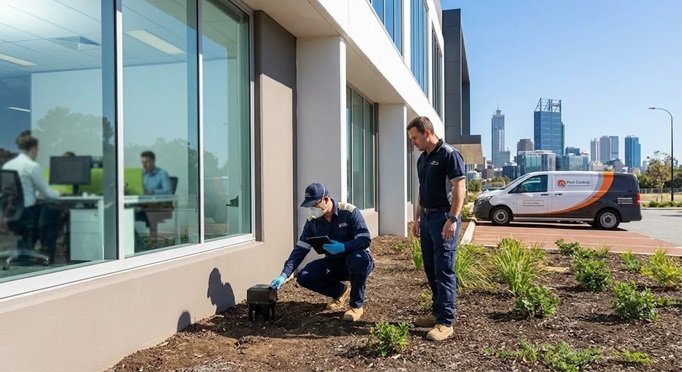
Monitoring stations positioned around property perimeters detect termite activity before colonies reach buildings. Stations contain timber or cellulose material that attracts foraging termites. Regular inspection identifies activity, allowing targeted treatment before structural damage occurs.
Moisture management eliminates conditions that attract termites. Address plumbing leaks promptly, ensure adequate drainage around foundations, maintain gutters and downpipes, and eliminate irrigation system leaks. Perth's water-conscious businesses often overlook how moisture management serves dual purposes - conservation and pest prevention.
Landscaping modifications reduce termite access points. Maintain 300mm clearance between soil and structural timber, remove timber debris from around buildings, avoid mulch against foundations, and eliminate timber retaining walls in contact with structures. These modifications don't prevent infestations but reduce risk factors significantly.
Building maintenance closes entry opportunities. Seal expansion joints, repair cracked concrete, eliminate timber-soil contact points, and ensure subfloor ventilation remains adequate. Regular maintenance identified during commercial cleaning services often reveals early warning signs before termite inspectors arrive.
Treatment Options When Inspections Reveal Problems
Discovering termite activity doesn't mean structural catastrophe - when detected early through proper commercial building termite assessments, treatment options effectively eliminate colonies and prevent ongoing damage.
Targeted chemical treatments address localised infestations. Technicians inject termiticides directly into affected areas - wall cavities, timber structures, or soil beneath buildings. This approach treats active colonies while minimising chemical use across the broader property.
Baiting systems eliminate entire colonies including the queen through subterranean colony detection methods. Technicians install bait stations where termites are active, using cellulose material treated with slow-acting insecticides. Foraging termites consume bait and transfer it throughout the colony, eventually eliminating the entire population. This method takes 8-12 weeks but addresses colonies that may be located off the property.
Barrier reinstatement re-establishes protective zones after treatment. Once colonies are eliminated, technicians apply perimeter treatments to prevent recolonisation. This combination approach - elimination plus prevention - provides long-term protection through comprehensive structural damage prevention strategies.
Timber replacement addresses structural damage. After treatment eliminates active termites, building professionals assess and replace compromised timber. The extent of replacement depends on damage severity, structural importance of affected members, and building codes.
Treatment timing matters significantly. Perth's termite activity peaks during spring and autumn when soil moisture and temperature optimise foraging. Scheduling treatments during these periods often improves effectiveness as termites actively feed and transfer treatments throughout colonies.
Industry-Specific Considerations
Different commercial sectors face unique termite challenges requiring specialised approaches.
Hospitality properties including hotels, motels, and serviced apartments cannot afford operational disruption during treatments. Accommodation pest control specialists schedule inspections and treatments to minimise guest impact, using low-odour products and working in unoccupied areas where possible.
Food service businesses must comply with HACCP requirements while addressing termite concerns. Treatments near food preparation areas require specific product selection and application methods that maintain food safety standards. Coordination with health inspectors ensures compliance throughout the treatment process.
Educational facilities serving students require treatments that account for child safety and operational schedules. School holiday periods provide optimal timing for comprehensive treatments without disrupting classes or exposing students to chemicals during application.
Healthcare facilities face the most stringent requirements. Infection control protocols, vulnerable patient populations, and medical equipment sensitivity necessitate specialised treatment approaches. Products must meet hospital-grade standards, and application timing must avoid disrupting patient care.
Industrial properties including warehouses and manufacturing facilities present challenges due to building size, stored materials, and operational constraints. Large footprints require extensive inspection time, while 24-hour operations demand flexible scheduling. Industrial hygiene solutions often integrate termite management within broader facility maintenance programs.
Compliance and Documentation Requirements
Commercial termite management involves regulatory compliance and documentation that residential treatments don't require.
Pre-purchase inspections form part of due diligence for property transactions. Australian Standard AS 3660 sets inspection protocols and reporting requirements. Buyers rely on these reports to negotiate purchase terms, identify required treatments, and assess long-term maintenance obligations.
Insurance requirements often mandate regular termite inspections Perth Metro businesses conduct as policy conditions. Many commercial property insurers require annual inspections by licensed technicians, with documented evidence of prevention measures. Failure to maintain inspection schedules may void coverage for termite-related damage.
Building compliance under the National Construction Code requires termite management systems for commercial buildings. New construction must incorporate physical barriers, chemical treatments, or monitoring systems. Existing buildings require documented management programs demonstrating ongoing protection.
Duty of care obligations extend to building owners and facility managers. Under WHS legislation, businesses must provide safe workplaces free from structural hazards. Unaddressed termite damage that compromises structural integrity may constitute a breach of safety obligations.
Treatment records must be maintained throughout building lifecycles. Documentation includes inspection reports, treatment specifications, product safety data sheets, and warranty certificates. These records prove essential during property sales, insurance claims, or compliance audits.
Cost Factors and Investment Protection
Commercial termite management costs vary based on property size, construction type, and treatment requirements, but the investment protects against significantly larger expenses.
Inspection costs for commercial properties range from $400-$1,200 depending on building size and complexity. Multi-level buildings, large footprints, and difficult access areas increase inspection time and costs. Annual inspections form part of preventative maintenance budgets rather than reactive expenses.
Prevention treatments cost $2,000-$8,000 for typical commercial properties. Chemical barrier treatments around building perimeters represent the most common approach, with costs reflecting property size, soil type, and access constraints. Physical barriers installed during construction add 1-2% to building costs but eliminate ongoing chemical treatment expenses.
Remedial treatments addressing active infestations range from $3,000-$15,000 depending on colony size, structural access, and treatment methodology. Baiting systems treating extensive colonies cost more initially but eliminate off-site nests that barrier treatments cannot reach.
Structural repairs following termite damage represent the largest potential expense. Minor damage may cost $5,000-$15,000 to repair, while extensive structural compromise can exceed $100,000. These figures exclude business interruption costs during repairs.
Property devaluation affects buildings with termite history even after successful treatment. Disclosure requirements mean future buyers will know about past infestations, potentially reducing sale prices 5-10% compared to properties with clean histories.
The economics favour prevention overwhelmingly. Annual inspection and prevention costs of $1,500-$3,000 protect against repair expenses that may exceed $50,000. For commercial properties, this represents risk management rather than discretionary spending.
Integrated Facility Management Approach
Termite management works most effectively when integrated within comprehensive facility maintenance programs rather than treated as isolated pest control through coordinated thermal imaging inspection technology and structural damage prevention strategies.
SWS Group provides integrated solutions where termite inspections Perth Metro businesses schedule coordinate with regular cleaning schedules, washroom services, and broader facility management. This approach identifies conducive conditions during routine maintenance before they escalate into termite problems.
Moisture detection during regular cleaning identifies plumbing leaks that attract termites. Early leak repairs prevent both water damage and termite attraction, addressing problems when fixes cost hundreds rather than thousands.
Structural observations by cleaning teams often reveal early termite indicators - mud tubes, damaged skirting boards, or hollow-sounding timber. Training facility staff to recognise these signs enables early intervention before damage becomes extensive through proper commercial building termite assessments.
Landscaping coordination ensures grounds maintenance doesn't create termite conducive conditions. Irrigation system checks, mulch management, and drainage maintenance integrate within overall property care rather than requiring separate contractor coordination.
Documentation systems track inspection schedules, treatment histories, and warranty periods within broader facility management records. Centralised documentation ensures compliance requirements are met and provides complete property histories for insurance and sale purposes.
Vendor consolidation reduces coordination complexity. Managing termite prevention through the same provider handling other facility services eliminates scheduling conflicts, streamlines communication, and ensures consistent service standards across all maintenance activities.
Conclusion
Termite protection for Perth Metro commercial properties requires proactive management combining regular termite inspections Perth Metro businesses schedule, preventative treatments, and environmental modifications through comprehensive commercial building termite assessments. The region's climate and soil conditions create year-round termite pressure that demands ongoing vigilance rather than reactive responses to discovered damage.
Professional inspections provide early detection through thermal imaging inspection technology that protects structural integrity and property values. When integrated within comprehensive facility management programs, termite prevention becomes part of routine maintenance rather than crisis management through effective subterranean colony detection methods.
The financial case for prevention overwhelms the cost of neglect. Annual inspection and treatment investments of several thousand dollars protect against repair expenses that may exceed $50,000, while maintaining property values and ensuring workplace safety compliance through proper structural damage prevention strategies.
Different commercial sectors face unique challenges requiring specialised approaches - from food and beverage facilities balancing pest control with hygiene requirements to healthcare properties demanding hospital-grade protocols. Effective termite management accounts for these operational constraints while maintaining protection standards.
For Perth businesses seeking comprehensive termite protection integrated within broader facility management, Pestpro provides specialised commercial services addressing the unique requirements of different property types and industries. Talk to our team to arrange an obligation-free property assessment and discuss termite management solutions tailored to specific operational requirements and compliance obligations.