













Perth workplaces face persistent pest pressures. These threats impact hygiene compliance, employee health, and business reputation. The Mediterranean climate in Western Australia creates ideal conditions for year-round activity. Warm, dry summers and mild, wet winters support various species across commercial facilities.
Facility managers report consistent challenges that demand proactive management. This is true across hospitality, healthcare, and food processing sectors. Accurate workplace pest identification prevents minor issues from escalating. Early detection avoids compliance failures or operational shutdowns. Establishing a clear monitoring routine is the first step toward a pest-free environment.
German Cockroaches: The Kitchen and Breakroom Invader
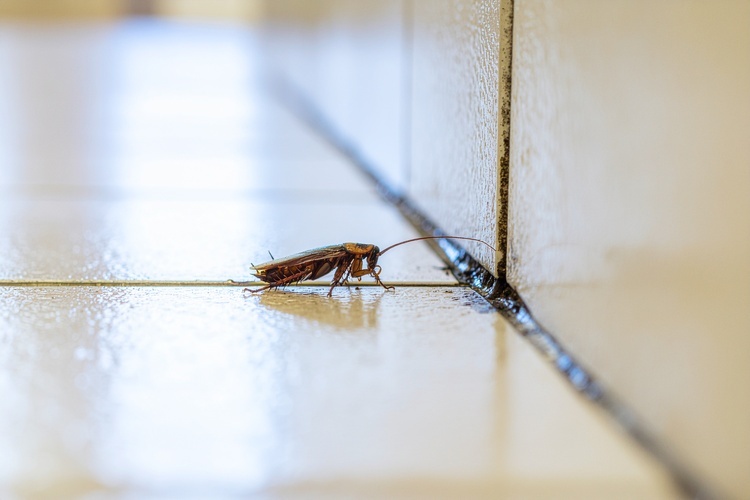
German cockroaches are a persistent threat in Perth food service environments. These small, light-brown insects measure 12-15mm in length. They display two distinctive dark stripes behind their heads. These pests move quickly and prefer staying near moisture.
Where They Hide
These pests prefer warm, humid environments near food and water. Commercial kitchens and staff breakrooms provide optimal conditions. They shelter in wall voids and equipment motors during daylight hours. Electrical panels and drainage systems are also common hiding spots. Effective food and beverage pest control focuses on these specific harbourage sites.
Early Warning Signs
Facility managers should watch for specific indicators of activity. Live cockroaches visible during the day often signal a severe infestation. Small, dark droppings resembling ground pepper are a common sign. These usually appear near food storage areas or under sinks.
Brown smear marks along wall-floor junctions suggest regular travel paths. A musty, oily odour often develops in enclosed spaces. Staff should also look for egg cases in sheltered locations. Commercial programs include regular monitoring for these signs.
Rats and Mice: Structural and Health Hazards
Rodents present dual threats to Perth commercial facilities. They cause structural damage through constant gnawing behaviour. They also transmit diseases through droppings and urine. The urban environment in Perth supports both roof rats and house mice.
Identifying Species
Roof rats measure 16-20cm in body length. Their tails usually exceed their body size. They display grey-black colouring and prefer elevated locations. Look for them in ceiling voids and high storage racks.
House mice are smaller, measuring 7-10cm. They have proportionally smaller ears than rats. Mice typically nest in ground-level locations. Wall voids and equipment spaces are common nesting sites. Comprehensive rat and mice control addresses the unique habits of both species.
Detection Methods
Effective workplace pest identification involves checking travel routes. Rat droppings measure 12-18mm, while mouse droppings are 3-6mm. Gnaw marks on electrical cables or packaging indicate active rodents.
Grease marks along walls show where rodents travel repeatedly. Scratching sounds in walls often occur during quiet periods. Nesting materials like shredded paper or insulation indicate established populations. Maintaining clean entryways is also vital. Professional floor mat rental helps reduce the organic debris that attracts rodents into buildings.
Ants: Persistent Nuisance in Commercial Settings
Multiple ant species target Perth workplaces. Coastal brown ants and black house ants cause most commercial issues. These social insects establish colonies containing thousands of workers. They can travel long distances from their nests to find food.
Behaviour Patterns
Ants follow chemical trails between nest sites and food sources. Commercial kitchens and food storage zones attract foraging workers. Colonies often nest in wall voids or beneath flooring. Landscaping adjacent to buildings also provides harbourage.
Identification Characteristics
Coastal brown ants measure 2-3mm in length. They have light to dark brown colouring. These ants form distinctive trails along walls and equipment. Workers move rapidly and scatter when disturbed.
Black house ants measure 2.5-3mm with shiny black bodies. They prefer sweet substances found in office breakrooms. Colonies often nest in wall cavities near moisture sources. Professional pest control in Perth is necessary to locate and treat these hidden colonies.
Flies: Disease Vectors in Food Environments
House flies and blow flies pose health risks in food environments. These insects transfer pathogens from waste to food surfaces. Managing these pests is a priority for businesses in the hospitality sector.
Species Differences
House flies measure 6-9mm with four dark stripes on the thorax. They breed in organic waste and prefer warm temperatures. Adult flies reproduce continuously during the summer months.
Blow flies measure 8-12mm with metallic blue or green colouring. They breed in protein sources like meat waste. Their presence often indicates sanitation deficiencies or hidden organic matter.
Detection and Prevention
Facility managers should monitor fly activity during peak hours. Check for breeding sites in waste storage areas and drains. Damaged screens and unsealed doors provide easy entry points.
Integrated fly management combines sanitation with exclusion measures. Insect light traps should be positioned away from food preparation areas. This monitors and reduces populations effectively. Staff hygiene is also a major factor. Using professional workwear rental ensures employees have clean, protective clothing.
Spiders: Common but Manageable
Perth workplaces encounter black house, white-tailed, and redback spiders. Most species present minimal health risks to employees. However, their presence can cause concern for visitors and staff.
High-Risk Species
Redback spiders establish webs in sheltered outdoor locations. Look for them beneath outdoor furniture or around perimeters. Females measure 10mm with a distinctive red stripe. Their bites require immediate medical attention.
White-tailed spiders actively hunt rather than building webs. They measure 12-18mm and have white-tipped abdomens. These spiders enter buildings seeking prey and shelter. They are often found in stored items or laundry.
Silverfish: Paper and Fabric Pests
Silverfish target facilities with paper storage or archives. These primitive insects measure 12-19mm. They move with a distinctive fish-like motion. They are most active at night and avoid light.
Environmental Preferences
Silverfish require high humidity to thrive. They feed on starches, paper adhesives, and natural fabrics. Archives and poorly ventilated storage rooms provide ideal conditions. Expert silverfish control identifies these moisture-prone areas.
Damage Indicators
Property managers should inspect for irregular holes in documents. Yellow staining on fabrics or paper is another sign. Shed skins often appear in quiet storage areas.
Targeted treatments address the insects directly. However, long-term prevention requires moisture control. Improved ventilation and dehumidification are effective strategies.
Wasps and Bees: Seasonal Outdoor Threats
European wasps and paper wasps establish nests during warmer months. These stinging insects defend their nests aggressively. This creates safety hazards for employees and visitors.
Nest Locations
European wasps build enclosed nests in wall voids or ground cavities. Colonies grow throughout summer and can reach thousands of workers. They have distinctive yellow and black banding.
Paper wasps construct open, umbrella-shaped nests beneath eaves. These colonies are smaller but still defend the site. Professional removal is essential for safety.
Millipedes: Seasonal Nuisance Invaders
Perth experiences millipede migrations during the autumn months. These arthropods move seeking moisture and shelter. They do not damage property but enter buildings in large numbers.
Millipedes measure 25-40mm with cylindrical bodies. They feed on decaying organic matter in landscaping. Thousands may migrate simultaneously toward buildings during dry periods. Effective management involves seasonal prevention before the autumn rains begin.
Building an Integrated Pest Management Program
Effective pest control in Perth requires a systematic approach. SWS Group provides Integrated Pest Management (IPM) that prioritises prevention and monitoring. This is more effective than reactive treatments.
Core IPM Components
Professional programs include regular facility inspections. These audits document pest activity and conducive conditions. Sanitation recommendations address food sources and potential harbourage sites. Workplace pest identification is a core part of this process.
Exclusion work seals entry points to stop pests. Monitoring devices track populations and treatment effectiveness. This data supports continuous improvement in facility hygiene.
Service Frequencies
Most Perth commercial facilities require monthly or quarterly inspections. Food processing and healthcare sites need more frequent monitoring. On-demand response is available for urgent issues. Schedules are adjusted based on specific pest pressures.
Compliance and Documentation Requirements
Workplaces handling food must meet Food Act 2008 requirements. Health department inspections verify the use of appropriate programs. Documentation demonstrates that a business is managing risks effectively.
HACCP-compliant programs provide detailed service reports. These include inspection findings and all treatments applied. Safety data sheets for pesticides must be kept on site. Professional providers maintain digital records for easy auditing. This transparency helps facilities demonstrate due diligence.
Taking Action on Workplace Pest Issues
Perth commercial facilities face diverse and persistent pest pressures. Early detection through workplace pest identification prevents minor activity from escalating. This protects both employee health and business reputation.
Establishing a baseline management program is the first step. Contact SWS Group to discuss the specific requirements for your Perth commercial facility call us at (08) 9336 6944. Expert technicians provide the regulatory knowledge needed for compliance.