













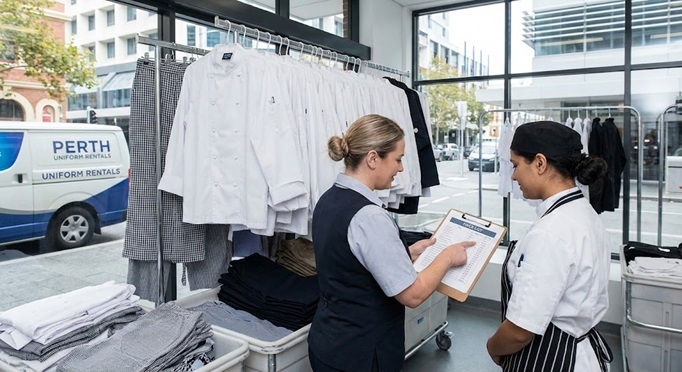
Running a commercial kitchen in Perth requires more than culinary skill. Professional chef uniforms and aprons are essential for food safety compliance, staff presentation, and workplace hygiene. Understanding the costs and benefits of rental services helps food businesses make informed decisions about kitchen workwear.
Most Perth restaurants, cafes, and catering operations face the same challenge. Purchasing uniforms means ongoing laundry costs, replacement expenses, and storage requirements. Rental services eliminate these operational burdens whilst ensuring consistent quality and hygiene standards.
SWS Group provides comprehensive workwear solutions through its Cleantex division. The service addresses the unique demands of Perth's hospitality industry with flexible rental options and professional laundering.
The decision between purchasing and renting chef uniforms impacts operational budgets significantly. This guide examines pricing structures, service inclusions, and quality standards to help hospitality operators make informed choices.
Understanding Chef Uniform Rental Costs in Perth
Chef uniform rental Perth pricing typically starts from $8 to $15 per garment per week. This base cost covers a complete jacket, trousers, and apron set. Volume discounts apply for businesses requiring multiple uniforms across kitchen teams.
Several factors influence final pricing. Garment quality represents the primary variable, with standard cotton blends at the lower end and premium Egyptian cotton or performance fabrics commanding higher rates. Service frequency affects costs, as twice-weekly collections cost more than weekly schedules.
Contract length impacts pricing structures significantly. Annual agreements typically offer 15-20% savings compared to month-to-month arrangements. Businesses can secure better rates by committing to longer terms whilst maintaining flexibility through scalable clauses.
Hidden costs in uniform ownership often surprise new operators. Commercial laundering services charge $8-$12 per uniform wash. A kitchen team of five staff members generates 25 uniform washes weekly, totalling $200-$300 monthly in laundry costs alone.
Replacement expenses add another layer of cost. Chef jackets withstand approximately 100 wash cycles before showing visible wear. At twice-weekly washing, jackets require replacement every 12 months. Quality replacements cost $60-$120 each, multiplied across entire kitchen teams.
Storage and inventory management consume valuable space and administrative time. Businesses must maintain backup uniforms during laundering cycles. This requirement doubles the initial uniform investment and requires dedicated storage areas in already cramped hospitality environments.
Workwear rental services eliminate these variable costs through fixed weekly rates. Rental agreements include laundering, replacement, storage, and logistics within a single predictable fee.
Types of Chef Uniforms and Aprons Available
Traditional white chef jackets remain the industry standard across Perth kitchens. Double-breasted designs with cloth-covered buttons provide the classic professional appearance. The reversible front allows chefs to maintain clean presentation throughout service by switching sides when spills occur.
Black or checked trousers complete the conventional chef uniform. Traditional patterns help disguise minor stains during busy service periods. Elastic waistbands with drawstring adjustments accommodate movement and comfort during long shifts.
Contemporary options include coloured jackets for modern establishments. Charcoal, navy, or burgundy options suit restaurants with specific branding requirements. Some venues coordinate kitchen staff colours with front-of-house service wear to create cohesive visual identity.
Executive chef uniforms often feature higher-quality fabrics and tailored fits. Premium cotton blends with moisture-wicking properties keep senior kitchen staff comfortable during inspection and client-facing duties. These specialised garments typically add $5-$8 weekly to standard rental costs.
Apron rental services provide essential protection for chef uniforms. Bib aprons offer full-torso coverage for preparation work and dishwashing stations. Heavy-duty canvas or denim materials withstand repeated exposure to water, cleaning chemicals, and food stains.
Waist aprons suit front-line cooking positions where mobility matters. Shorter designs prevent interference with leg movement whilst providing adequate pocket storage for thermometers, notepads, and service tools. Waist aprons typically cost $3-$5 weekly as standalone rentals.
Speciality aprons address specific kitchen hazards. Waterproof designs protect staff during seafood preparation and dishwashing duties. Heat-resistant aprons using aramid fibres shield grill operators from radiant heat and oil splatter. Chain mail aprons prevent cutting injuries in butchery and fish preparation areas.
Custom embroidery adds professional branding to rental uniforms. Business logos, chef names, or position titles can be applied to jackets and aprons. This personalisation costs an additional $3-$5 per garment weekly but enhances staff presentation and team identity.
Seasonal variations accommodate Perth's climate fluctuations. Lightweight cotton blends suit summer service periods, whilst heavier fabrics provide warmth during winter months. Rental services adjust inventory seasonally without requiring businesses to purchase and store multiple uniform sets.
What's Included in Rental Pricing
Professional laundering represents the primary value in chef uniform rental Perth packages. Commercial laundries use hospital-grade cleaning processes with temperatures exceeding 75°C. This heat level eliminates bacteria and food residues that domestic washing cannot remove.
Industrial washing equipment handles heavily soiled garments more effectively than household machines. Commercial extractors remove excess moisture, reducing drying time and extending fabric life. Professional pressing ensures crisp, professional appearance that reflects positively on establishment standards.
Regular replacement of worn items keeps staff looking professional. Workwear rental agreements include automatic garment replacement when items show excessive wear, staining, or damage. Businesses never face unexpected replacement costs or staff working in shabby uniforms.
Quality control inspections occur at every laundering cycle. Technicians examine garments for tears, missing buttons, or permanent stains. Substandard items are retired from rotation immediately, ensuring only pristine uniforms reach client locations.
Sizing adjustments accommodate staff changes without additional fees. When team members join or leave, rental services exchange garments to match new sizing requirements. Seasonal staffing fluctuations are managed through flexible inventory adjustments.
New employee onboarding becomes simpler with rental services. Incoming staff receive properly fitted uniforms from day one. The professional appearance helps new team members feel confident and integrated into kitchen culture immediately.
Collection and delivery logistics are typically included in base pricing. Services schedule regular pickups of soiled uniforms and delivery of clean replacements. Perth metropolitan areas receive twice-weekly service, whilst outer suburbs may have weekly schedules.
Emergency replacement services handle unexpected situations. When uniforms are damaged during service or staff members require additional items, providers deliver replacements within 24 hours. This responsiveness prevents operational disruptions and maintains professional standards.
Inventory management falls to the rental provider rather than the business. Tracking which staff members have which garments, monitoring replacement schedules, and maintaining adequate backup stock becomes the provider's responsibility. This administrative burden removal frees management time for revenue-generating activities.
Hygiene Standards and Compliance Benefits
Food safety regulations mandate clean uniforms in commercial kitchens. The Food Standards Australia New Zealand (FSANZ) Code requires clothing that doesn't pose contamination risks. Professional laundry services ensure compliance through documented cleaning processes.
Standard 3.2.2 of the Food Standards Code specifies requirements for food handler clothing. Garments must be clean and in good condition. They cannot introduce contamination through shedding fibres, harbouring pathogens, or transferring allergens between preparation areas.
HACCP compliance becomes simpler with rental uniforms. Hazard Analysis Critical Control Points systems require traceable hygiene procedures. Food processing solutions through professional workwear services provide the documentation necessary for audits and certifications.
Laundry records demonstrate compliance with critical control points. Rental providers maintain detailed logs showing wash temperatures, detergent types, and cycle completion times. These records form essential evidence during health department inspections and third-party audits.
Hospital-grade cleaning eliminates cross-contamination risks. Commercial laundries separate food industry garments from other textiles. Dedicated washing cycles prevent transfer of allergens or contaminants between different client sectors.
Thermal disinfection processes kill pathogenic bacteria reliably. Washing temperatures above 71°C destroy common foodborne pathogens including Salmonella, E. coli, and Listeria. This thermal kill step provides assurance that domestic laundering cannot match.
Chemical sanitisation supplements thermal disinfection. Commercial detergents contain oxygen-based bleaches and enzymatic cleaners that break down protein and oil residues. These formulations remove stubborn stains whilst maintaining fabric integrity through hundreds of wash cycles.
Staff take hygiene more seriously with professionally maintained uniforms. Research shows employees wearing rental workwear demonstrate better food safety practices. The regular supply of clean garments reinforces the importance of hygiene standards throughout kitchen operations.
Visible commitment to cleanliness influences customer perceptions. Diners notice when kitchen staff appear in crisp, spotless uniforms. This visual signal of hygiene consciousness builds customer confidence in overall food safety practices.
Rental vs Purchase: Total Cost Analysis
Initial purchase costs for kitchen uniforms appear deceptively affordable. A complete chef outfit costs $80-$150 per person. For a kitchen team of five, the upfront investment totals $400-$750. This modest initial expense misleads operators about true ownership costs.
Laundering represents the largest ongoing expense in uniform ownership. Commercial laundry services charge $8-$12 per uniform. With twice-weekly washing across five staff members, monthly laundry bills reach $320-$480. Annual laundering costs exceed $3,840-$5,760.
Replacement schedules accelerate costs significantly. Professional kitchen environments subject uniforms to harsh conditions. Jackets last 12-18 months with proper care. Trousers typically require replacement every 9-12 months. Aprons endure only 6-9 months before deteriorating.
A five-person kitchen requires 15-20 complete uniform sets to maintain rotation during laundering. This backup inventory multiplies the initial investment threefold. Storage space for this inventory consumes valuable real estate in crowded hospitality venues.
Staff turnover compounds ownership costs. The hospitality industry averages 73% annual turnover. Each departing employee takes or discards uniforms, requiring replacement purchases. Sizing mismatches make it difficult to reassign uniforms between staff members.
Chef uniform rental Perth services convert variable costs into predictable fixed expenses. A typical rental agreement for five kitchen staff costs $600-$900 monthly. This all-inclusive fee covers garments, laundering, replacement, delivery, and inventory management.
Three-year ownership costs for five staff members total approximately $18,000-$24,000 when accounting for purchase, laundering, replacement, and administration. Equivalent rental services cost $21,600-$32,400 over the same period, but eliminate hidden costs and operational headaches.
The rental premium of 20-35% purchases significant operational benefits. Cash flow improves through predictable monthly expenses rather than irregular replacement purchases. Administrative time reallocates from uniform management to revenue-generating activities. Quality consistency maintains professional standards without management oversight.
Businesses without commercial laundry contracts face even steeper ownership costs. Domestic laundering cannot achieve proper sanitisation or pressing standards. Outsourcing to retail launderers doubles or triples per-wash costs whilst providing inferior results.
Choosing the Right Service Level
Small cafes and bakeries typically require 3-5 uniform sets per staff member. Basic rental packages suit these operations, providing weekly collection with standard white jackets and black trousers. Costs range from $25-$40 per employee weekly.
Weekend-only operations or specialty food businesses may qualify for reduced-frequency service. Fortnightly collections with larger uniform rotations suit businesses with limited operating days. This arrangement reduces weekly costs by 30-40% whilst maintaining hygiene standards.
Fine dining establishments need premium uniform options. Higher-quality fabrics, custom embroidery, and twice-weekly service meet the presentation standards expected in upscale venues. Premium packages cost $45-$65 per employee weekly but deliver superior appearance and durability.
Executive chef uniforms reflect establishment prestige. Tailored jackets in specialty fabrics signal quality to discerning diners. Custom embroidery with chef titles and restaurant branding enhances professional presentation during client interactions and media appearances.
High-volume catering operations require scalable solutions. Food and beverage solutions accommodate fluctuating staff numbers during peak seasons. Flexible contracts allow temporary increases for events or busy periods without long-term commitments.
Wedding season in Perth runs from October through April. Catering companies may double kitchen staff during these months. Rental agreements with seasonal scaling clauses accommodate these predictable fluctuations without paying for unused inventory during quiet periods.
Corporate event caterers face unpredictable demand spikes. Emergency uniform provisions within 48 hours support unexpected large bookings. This responsiveness prevents turning away profitable business due to uniform capacity constraints.
Contract terms vary from month-to-month to three-year agreements. Longer commitments offer better pricing but less flexibility. Most Perth food businesses find 12-month contracts provide the optimal balance between cost savings and operational adaptability.
Trial periods allow businesses to evaluate service quality before committing. Many providers offer 30-90 day trials at slightly higher rates. This approach lets operators assess fabric quality, laundering standards, and customer service before signing annual agreements.
Service Quality Indicators to Evaluate
Fabric quality determines uniform longevity and comfort. Premium cotton blends with 15-20% polyester content provide optimal balance between breathability and durability. Pure cotton feels luxurious but wrinkles easily and shrinks unpredictably. Synthetic-heavy blends last longer but trap heat uncomfortably.
Thread count indicates fabric density and durability. Chef jackets with 180-220 thread count offer professional weight without excessive stiffness. Lower counts feel flimsy and transparent. Higher counts become unnecessarily heavy and restrict movement.
Colour fastness prevents uniform degradation. Quality garments maintain white brightness through 150+ wash cycles. Inferior fabrics yellow or grey within months. Visual inspection of provider's existing inventory reveals long-term colour retention.
Button quality prevents frustrating mid-service failures. Plastic buttons crack and fall off under repeated laundering stress. Cloth-covered buttons withstand commercial washing whilst maintaining traditional appearance. Reinforced stitching prevents button loss.
Laundering protocols directly impact hygiene compliance and garment longevity. Providers should clearly articulate their cleaning processes. Acceptable responses include specific temperatures, detergent types, and sanitisation methods. Vague answers about "professional cleaning" signal potential quality issues.
Delivery reliability affects operational continuity. Late deliveries force staff into dirty uniforms or personal clothing. Neither option maintains professional standards. Provider references from existing clients reveal actual delivery performance versus promised schedules.
Customer service responsiveness indicates how providers handle problems. Test responsiveness by asking detailed questions during initial consultations. Providers who answer thoroughly and promptly likely maintain this attentiveness post-sale. Rushed or dismissive responses predict future service frustrations.
Replacement policies should favour clients over providers. Reasonable agreements replace damaged garments immediately without cost. Excessive damage clauses or delayed replacement schedules shift operational risk to clients. Clear policy documentation prevents disputes.
Contract flexibility accommodates business changes. Rigid agreements trap growing businesses in outdated arrangements. Seasonal scaling, volume adjustments, and early termination options provide necessary adaptability in dynamic hospitality markets.
Additional Workwear Solutions for Hospitality
Kitchen safety extends beyond chef uniforms to comprehensive hygiene solutions. Floor mat rental reduces slip hazards in food preparation areas. Grease-resistant matting in cooking zones prevents dangerous falls whilst capturing spills and debris.
Anti-fatigue mats improve staff comfort during long shifts. Cushioned surfaces reduce leg and back strain for employees standing 8-12 hours daily. This ergonomic support decreases workplace injuries and improves staff retention.
Entrance matting systems protect front-of-house flooring. Moisture-trapping mats at external doors prevent rainwater tracking through dining areas. This hazard reduction protects customers and staff whilst preserving expensive flooring investments.
Table linen rental complements kitchen workwear for full-service restaurants. Linen rental services provide tablecloths, napkins, and service cloths laundered to hospitality standards. Coordinated textile services simplify vendor management and reduce administrative overhead.
Napkin quality influences diner perceptions significantly. Premium cotton damask napkins signal upscale establishments. Polyester blends suit casual dining whilst providing stain resistance. Rental services match linen quality to restaurant positioning.
Front-of-house staff require different uniform solutions than kitchen teams. Waitstaff aprons, bar uniforms, and service wear can be integrated into workwear rental agreements. Consistent quality across all staff uniforms enhances overall business presentation.
Bartender uniforms often incorporate branded elements more extensively than kitchen wear. Custom embroidery, name tags, and colour coordination with restaurant branding create cohesive visual identity. Rental providers can manage these customisation requirements across front and back of house simultaneously.
Washroom supplies represent another integrated hygiene opportunity. Professional dispensers for soap, paper towels, and hand sanitiser maintain consistent standards throughout facilities. Managed supply programs ensure products never run out during service.
First aid compliance supports workplace safety obligations. Managed first aid kits with regular restocking meet Work Health and Safety requirements. Integrated providers handling uniforms, linen, and safety supplies reduce vendor management complexity.
Common Questions About Chef Uniform Rental
Minimum contract requirements vary between providers. Most Perth services accept agreements starting at three uniforms weekly. Smaller operations may face per-garment minimums making rental uneconomical. Providers targeting enterprise clients often impose 10-15 uniform minimums.
Start-up hospitality businesses should negotiate trial periods before committing to annual contracts. Sixty to ninety-day trials at marginal cost premiums allow operators to validate service quality whilst managing initial cash flow constraints.
Sizing and fit guarantees protect against poorly fitting garments. Reputable providers offer size exchanges within the first month without penalty. Accurate initial measurements prevent fit issues. Mobile sizing services visit client locations to measure entire kitchen teams simultaneously.
Custom sizing accommodates non-standard body types. Tall, petite, or plus-size staff deserve properly fitting uniforms. Providers with broad size ranges demonstrate commitment to inclusive workplaces. Limited size offerings create staff discomfort and turnover.
Branding and customisation timelines affect opening schedules. Standard embroidery typically requires 2-3 weeks from artwork approval. Complex logos or specialty thread colours may extend timelines to 4-6 weeks. Rush services cost 25-50% premiums but deliver within one week.
Artwork requirements follow standard formats. Vector files in AI or EPS format produce cleanest embroidery results. Providers typically digitise approved logos at no charge. Complex designs may incur one-time digitisation fees of $50-$150.
Peak season capacity planning prevents service degradation during busy periods. Providers serving tourism-heavy sectors face stretched capacity during summer months. Early notification of increased uniform requirements ensures adequate stock availability. Contracts should specify capacity guarantees for planned volume increases.
Contract termination processes vary significantly between providers. Reasonable agreements allow 30-60 day notice periods. Excessive termination fees or required buyouts trap clients in unsatisfactory relationships. Clear termination terms prevent disputes during business transitions.
Ownership of custom embroidered garments becomes relevant at contract end. Some providers charge fees for logo removal or garment purchase. Others simply retire customised items from inventory. Understanding these terms prevents surprise costs during provider transitions.
Conclusion
Chef uniform rental Perth services offer predictable costs, professional presentation, and simplified compliance whilst eliminating the administrative burden of ownership. Rental converts variable expenses into manageable fixed costs, supports hygiene standards, and scales with business needs. For tailored hospitality workwear solutions, connect with SWS Group to discuss specific requirements. Call (08) 9336 6944 for an obligation-free consultation.